
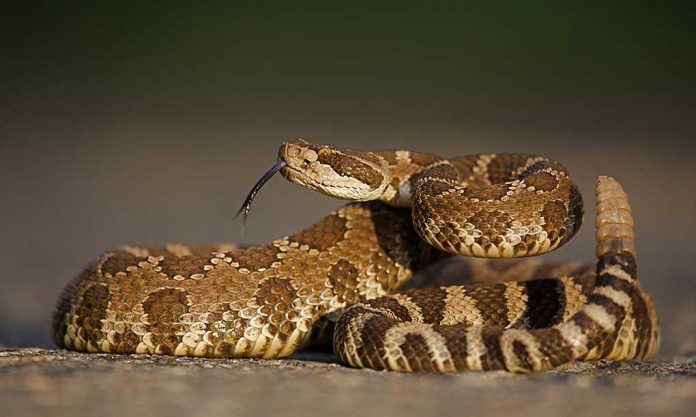
San Diego snake wranglers fielded 43 emergency calls in February 2026 alone—more than double the previous year—as unseasonably warm temperatures lured rattlesnakes from their dens weeks earlier than normal, turning routine hikes into encounters that seasoned trail veterans hadn’t witnessed in two decades.
Story Snapshot
- February 2026 temperatures in the 70s and 80s triggered record rattlesnake activity across San Diego County hiking trails, with 43 rescue calls versus 18 the prior year.
- Snake wrangler Bruce Ireland, with over 500,000 Instagram followers, leads free volunteer relocations as hikers report multiple daily sightings at popular spots like Daley Ranch Park and Lake Hodges Reservoir.
- Experts attribute the surge to nighttime temperatures exceeding 50 degrees Fahrenheit, ending hibernation early and pushing hungry red diamond rattlesnakes onto trails frequented by unsuspecting hikers and their dogs.
- No bites have been reported despite the surge, with professionals emphasizing that rattlesnakes avoid humans unless provoked and urging trail users to stay alert, leash pets, and warn fellow hikers.
When Winter Warmth Wakes Sleeping Serpents
San Diego County’s Mediterranean climate typically keeps rattlesnakes dormant during cooler months, but February 2026 shattered that pattern. Days stretching into the 70s and 80s combined with nights above 50 degrees sent a biological alarm clock through snake dens across the region. Red diamond rattlesnakes, a native species adapted to temperature cues rather than calendar dates, emerged hungry and thirsty. The result turned hiking hotspots into impromptu wildlife corridors, catching outdoor enthusiasts off guard and sending snake wrangler phones ringing at unprecedented rates through what should have been off-season.
Bruce Ireland became the face of this crisis, handling every one of those 43 February calls personally. His team operates on a volunteer basis, relocating rattlesnakes free of charge while competitors charge fees. Ireland’s Instagram presence gives him megaphone reach to educate the public, but the sheer volume of encounters suggests something larger at work. Hikers accustomed to one sighting every 20 years suddenly reported three in a single afternoon. The statistical jump from 18 calls to 43 year-over-year represents a 139 percent increase that can’t be dismissed as coincidence or heightened awareness alone.
Where Urban Trails Meet Wild Territory
The urban-wildland interface defines San Diego County’s hiking appeal and its snake problem. Trails threading through Escondido’s Daley Ranch Park and circling Lake Hodges Reservoir place thousands of weekly visitors directly in prime rattlesnake habitat. These serpents don’t invade human spaces—humans recreate in snake territory. Zach West captured a red diamond rattlesnake in Escondido that measured several feet, a specimen that would have remained invisible in typical February cold. Pet owners face particular risk, as unleashed dogs investigate brush where rattlesnakes coil, unable to distinguish danger from curiosity.
The collapse of traditional seasonal boundaries creates unpredictability. San Diego never had a strict snake season tied to calendar months, but temperature patterns historically kept encounters concentrated in late spring and summer. That predictability allowed hikers to adjust behavior seasonally. Now, warm spells can activate snakes in any month, demanding year-round vigilance. The February 2026 surge demonstrates how a few degrees separate dormancy from activity, rendering old assumptions about safe hiking windows obsolete and forcing a cultural shift in outdoor recreation habits.
Expert Warnings Echo Across Social Media
Ireland’s advice cuts through the noise with practical specificity. Keep distance from any snake encountered. Leash dogs on every trail, no exceptions. Alert fellow hikers to snake locations rather than assuming they’ll notice. Remove headphones that mask the distinctive rattle warning. These aren’t hypothetical precautions—they’re field-tested responses to 43 real emergencies in one month. Ireland stresses that rattlesnakes lack aggression toward humans, striking only when threatened or surprised. The species’ defensive nature means most encounters end safely when humans simply back away, allowing the snake to retreat into brush.
Media coverage from CBS 8 and FOX 5 San Diego amplified wrangler warnings throughout early March, reaching audiences beyond hiking communities. The messaging balanced caution with reassurance, avoiding panic while establishing new behavioral norms. No bites were reported despite the record encounters, validating the approach. Yet the absence of injuries shouldn’t breed complacency—each additional hiking day above 50 degrees at night extends snake activity, multiplying chances for the one careless moment that turns a close call into a medical emergency requiring antivenin and hospitalization.
What Warming Trends Mean for Trail Safety
The long-term implications extend beyond one warm February. If temperature patterns continue trending upward, San Diego faces perpetual snake season with no off months for complacency. Rescue operations will strain volunteer networks as call volumes climb. Ireland’s free service model works at 43 monthly calls but may buckle at 60 or 80. Hiking culture must adapt permanently, treating every trail like active snake habitat regardless of date. Educational campaigns need sustained funding and reach, not just reactive media bursts after sighting surges catch attention.
Pet owners bear special responsibility in this new reality. Off-leash dogs remain the highest-risk group, investigating scents and movements that put them nose-to-fang with defensive rattlesnakes. Leash laws exist on most county trails, but enforcement stays minimal and compliance spotty. A shift requires either stricter penalties or cultural change driven by awareness that one vet bill for snake bite treatment exceeds the inconvenience of leashing. The choice between minor restraint and major medical emergency seems obvious, yet behavior lags behind knowledge until consequences strike close to home.