
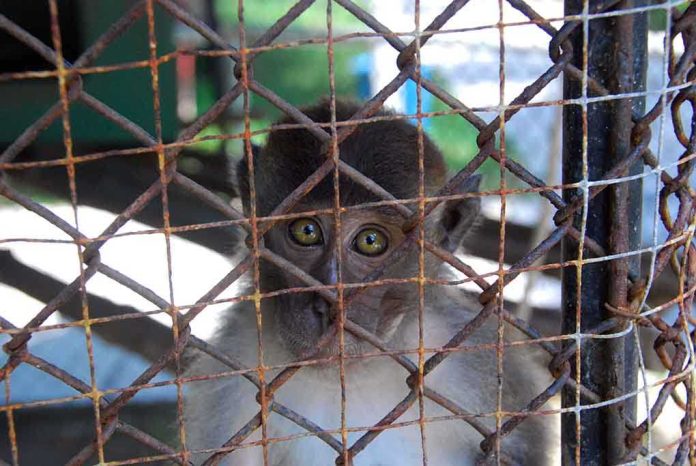
Florida’s wild monkeys force an uncomfortable question: when humans create a problem on purpose, do we owe those animals protection—or a one-way ticket out?
Story Snapshot
- Tourism stunts and lab escapes turned parts of Florida into accidental primate colonies.
- These monkeys damage fragile habitats and sometimes threaten people, yet trapping programs sparked outrage.
- State agencies call them invasive, while locals and activists treat them like neighborhood mascots.
- The real battle is over responsibility: who pays for fixing a mess people made nearly a century ago?
How Florida Ended Up With Its Own Jungle Movie, Minus the Credits
Florida did not “discover” wild monkeys; it imported them, marketed them, and then lost control of them. In the 1930s, a boat operator at Silver Springs released rhesus macaques to liven up his jungle cruise, apparently ignoring that monkeys swim better than most of his paying customers. Within years, the animals left the island, bred in the surrounding forest, and turned a publicity stunt into a permanent population that outlived the attraction and most of its original visitors.
Farther south, Dania Beach inherited vervet monkeys when research primates escaped a mid-century biomedical facility. Similar stories repeated in Titusville and near Miami, where amusement parks and research projects treated monkeys as props or tools, not long-term neighbors. Hurricanes, busted enclosures, and sloppy oversight did the rest. None of these colonies are “natural.” Every troop wandering a Florida mangrove or parking lot began as someone’s business decision.
When Cute Faces Strip a Coastline Bare
Rhesus macaques look like animated toys, but their ecological impact reads more like a slow-motion wrecking crew. On Florida’s coasts, troops stripped mangroves of leaves and bark, eventually destroying dozens of acres on at least one island. That matters more than scenic views. Mangroves hold shorelines together in storms, shelter fish and birds, and act as living seawalls. When monkeys shred them, taxpayers quietly inherit the repair bill through erosion, flooding, and lost habitat.
Predators like alligators and large birds keep monkey numbers from exploding the way Burmese pythons have, but “not as bad as pythons” is a terrible management standard. A conservative, common-sense lens asks whether non-native animals that actively degrade critical coastal buffers deserve the same hands-off treatment as native wildlife. If the answer is yes, Florida essentially volunteers its wetlands and fisheries as experimental collateral for an ethical statement no one fully thought through.
When Wildlife Becomes a Neighborhood Nuisance
On the human side, living with monkeys sounds charming until one jumps on your roof, raids your bird feeder, or charges your kid. Residents around past colonies reported aggressive encounters, and Dania Beach’s vervets have grown so used to handouts that they now expect them. Feeding bans exist on paper, but enforcement is lax. The result is a troop that treats people as vending machines, not threats—exactly the mindset that leads to bites, scratches, and lawsuits.
Public health adds another layer. Primates can carry serious diseases, including viruses dangerous to humans. Officials know this, yet public debate often ignores the risk because no one wants to be the villain calling for controls on animals that star in viral videos. Responsible policy cannot pretend these risks disappear just because the monkeys look photogenic trotting through a parking lot with a stolen bag of chips.
Trappers, Tourists, and the Morality of Cleanup
For decades, Florida’s main answer was simple: trap and remove. Contractors captured hundreds of rhesus macaques, then sold them to biomedical labs. That approach reduced numbers but offended residents who saw familiar animals disappear into a system they distrusted. The program eventually shut down under public pressure, leaving agencies without a politically safe tool and locals with the impression that government either overreaches or shrugs, depending on the week.
Meanwhile, tourism quietly profits. Attractions marketed monkey encounters for years, and today social media influencers hunt for “that spot with the wild monkeys” as if they stumbled onto Eden rather than an ecological accounting error. A conservative reading of responsibility says the entities that created or monetized these colonies—not the general public—should shoulder more of the cost of humane control, long-term monitoring, and habitat restoration. Instead, taxpayers and ecosystems again absorb the tab.
Protect, Control, or Something in Between?
Should people protect Florida’s wild monkeys? Protecting them as if they were native, endangered species ignores the damage they cause and rewards past negligence. Eradicating them wholesale, on the other hand, treats living, sentient animals as disposable when they are here largely because humans treated them that way to begin with. A principled conservative approach threads a narrower path: defend native ecosystems first, while insisting on restraint, transparency, and clear limits on lethal measures.
That means allowing targeted removal where monkeys destroy critical habitats or present real safety or disease risks, but pairing it with strict standards: no secret sales pipelines to labs, clear public reporting, and priority for non-lethal tools when they actually work. It also means ending casual feeding, enforcing existing rules, and holding facilities and businesses financially accountable when their animals escape. Compassion here looks like discipline, not sentimentality.
Sources:
Wild Monkeys In Florida: Everything You Need To Know