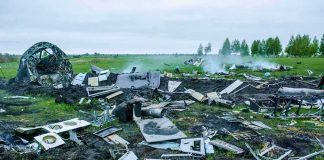
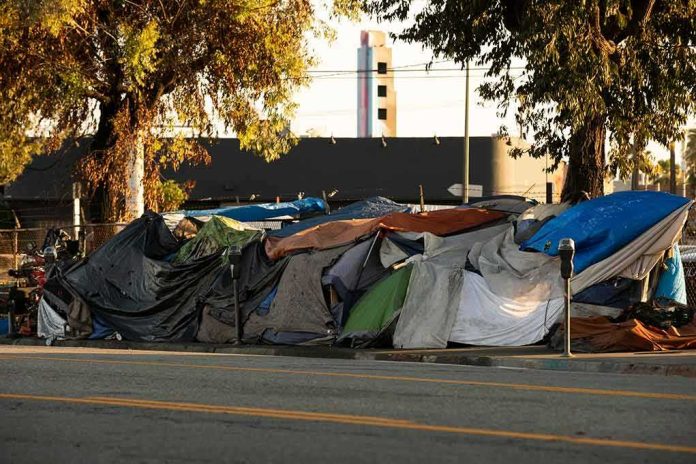
Officials cleared a homeless camp built on a Superfund dump where waste included radioactive radium and toxic metals, and that single sentence tells you why this standoff mattered.
Story Snapshot
- The encampment sat on Oxnard’s former Halaco Engineering site, a federal Superfund property deemed unsafe for living.
- Environmental reviews reported heavy metals and some waste with radioactive radium on the property.
- County medical leadership warned of exposure risks from contaminated soil and dust, including metal poisoning and cancer.
- City and county teams issued months of warnings and offered placements before the final removal.
What Happened At The Halaco Site And Why It Was Cleared
Oxnard officials and Ventura County teams removed a large encampment from the former Halaco Engineering site after months of outreach and a stated deadline. The property is a federal Superfund site, which flags it as contaminated and unsafe for housing or tents. Reports describe the area as private land posted for hazards that included toxic metals. Some waste at the site contained radioactive radium, raising stakes for people living on bare ground and breathing blown dust.
City and county workers warned residents many times that they had to leave and set a firm date. Outreach staff visited people on site, explained the safety risks, and lined up temporary placements. After the deadline passed, authorities cleared the camp. That approach tracked with a common pattern for high-risk sites: warn, offer exits, then close access. Officials said the camp also lacked basic sanitation like running water and plumbing, which added a separate health danger.
What Made The Ground Itself Dangerous
The Environmental Protection Agency’s Superfund status signals serious contamination. Local reporting on the Halaco property cited high levels of aluminum, magnesium, and other metals spread through waste piles and soil. Some waste included radioactive radium, which can emit radiation and pose risk if particles are inhaled or ingested. A county medical director outlined clear exposure paths from dirt, dust, and water to the human body, linking them to metal poisoning, gut problems, cognitive decline, and even cancer.
Medical risk hinges on dose and route. Living in tents on contaminated soil increases contact and inhalation. Wind lifts dust. People cook, dig, and track particles into sleeping areas. Lack of sinks and toilets compounds spread. That chain is why many environmental orders treat ground exposure—not only location—as the trigger. In another California case, Sacramento allowed trailers but not tents on a site with vapor risks, drawing a firm line at direct ground contact.
Public Health Versus Human Need On Contaminated Land
Encampments form where people feel safer than the street. Some Halaco residents said the camp gave them a small community and fewer threats than busy sidewalks. They asked for time and for real housing, not just a shuffle to the next curb. Their plea tracks with a broader pattern: when authorities shut down camps, people often lose stability and ties to care. Research links forced moves with worse health and harder paths into permanent housing, even while no one defends living on poisoned soil.
Public safety requires removing tents from hazardous ground. Public duty requires offering a safer place to go the same day. Reports from the Halaco action said officials placed dozens of people in temporary housing, though permanent units were not yet secured for all. That gap matters. Moving people off a toxic lot is step one; step two is where common sense and conservative stewardship agree: spend money on results, not repeat sweeps. Track placements, keep services in reach, and lock in exits to stable housing.
How To Judge Actions Like Halaco Going Forward
Leaders should publish plain-language risk summaries for any clearance tied to contamination. People deserve to see what was in the ground, how it harms the body, and what steps reduce exposure. They should also see the relocation plan in numbers: beds available that day, length of stay, addresses, and how many moved to permanent units within set time frames. Those facts let the public weigh two questions at once: did the move cut exposure now, and did it leave people safer after displacement.
Policy should also reflect exposure logic. If risk comes from dirt and dust, then raised-floor or hard-surface shelters beat tents on bare soil. If vapor is the hazard, then trailers with sealed floors and vents make sense while cleanup proceeds. Oxnard faced a hard call at Halaco, and clearing the site had a solid health basis. The next test is follow-through. Keeping people off toxic land is non-negotiable. Making sure they land somewhere safer is the promise that must be kept.
Sources:
amandaricher.substack.com, freep.com, kclu.org, dailyitem.com, vcstar.com, sacbee.com, calmatters.org, halco.org