
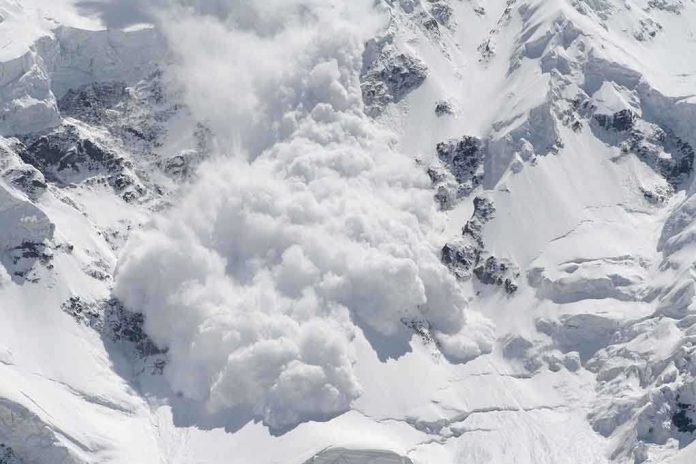
Nine people died in California’s deadliest avalanche in modern history after expert guides led a backcountry ski trip directly into a forecasted blizzard that meteorologists had been warning about for six days.
Story Snapshot
- Eight skiers confirmed dead, one missing and presumed dead after February 18 avalanche struck group fleeing Frog Lake huts during blizzard near Lake Tahoe
- Guide company specializing in avalanche safety proceeded with trip despite Sierra Avalanche Center’s explicit warning against travel near avalanche terrain issued hours before disaster
- Victims included six Bay Area mothers, three guides, with six survivors rescued; storm delayed body recovery for days
- Event surpasses all modern California avalanche fatalities, raising questions about professional judgment when profit meets peril
When Experts Ignore Their Own Expertise
The guide company built its reputation teaching others how to survive avalanches. Yet on February 15, 2026, four guides loaded 11 clients onto snowcats and headed into the Castle Peak wilderness as a massive storm bore down on the Sierra Nevada. Meteorologists had been tracking the blizzard since February 11, predicting up to five feet of snow and closing Interstate 80 through Donner Pass. One client backed out at the last minute. That decision saved a life.
The Timeline of a Preventable Tragedy
At 6:29 a.m. on February 17, the Sierra Avalanche Center in Truckee issued an unambiguous warning: do not travel in or near avalanche terrain due to an expected widespread natural avalanche cycle. By 11:30 that morning, the group was attempting to escape the remote Frog Lake huts, traversing beneath towering, avalanche-prone slopes in a blinding blizzard. Several feet of fresh, unstable snow had already accumulated. The mountain gave way.
Nevada County Sheriff’s Operations Captain Rusty Greene described the chaos: survivors heard the telltale roar, then screams, then silence. Six people made it out. Two required hospitalization but were expected to recover. Eight bodies remained buried under tons of snow as the storm continued to rage, making immediate recovery impossible. One person was unaccounted for and presumed dead beneath the debris field.
The Victims Behind the Statistics
Caroline Tocarse was a San Francisco tech consultant and mother of two. Her sister, Liz Claiborne, traveled from Boise where she worked as a labor and delivery nurse. Kerry Back, a former corporate executive living in the Tahoe area, had two children. Vetta, a former Sirius radio executive and mother of two, joined fellow Bay Area residents Kate Moore, Daniel Keatley, and Kate Visit. Many of the women knew each other through their children’s connections to Sugar Bowl ski resort. Their families released names on Thursday, requesting privacy as they processed unimaginable loss.
The Cruel Irony of the Rescue
First responders reached the six survivors around 5:30 p.m. Tuesday evening, skiing and driving snowcats through the same treacherous conditions that had triggered the avalanche. One of the victims was married to a member of the Tahoe Nordic rescue team, forcing rescuers to search for their own. Placer County Sheriff Wayne Woo noted the emotional toll on his teams, who worked in brutal conditions knowing eight bodies remained on the mountain overnight Wednesday as the storm made recovery too dangerous to attempt.
Governor Gavin Newsom publicly commented on the disaster, highlighting the victims’ ties to Bay Area and Marin County communities. Social media erupted with criticism of the guide company’s decision-making. Outdoor enthusiast Erica Eng questioned why basic weather checks were ignored by professionals whose livelihood depended on avalanche safety training. The bitter irony was inescapable: the people teaching others how to read avalanche conditions had apparently disregarded every warning sign.
What This Means for Backcountry Recreation
Backcountry skiing has exploded in popularity around Lake Tahoe’s High Sierra, attracting adventurers seeking untouched powder away from crowded resorts. The Castle Peak wilderness and Frog Lake huts represent the pinnacle of that experience: remote terrain accessible only by snowcat or skis, offering solitude and challenging descents. The Sierra Avalanche Center exists precisely to help recreationalists navigate these risks through daily forecasts. This disaster occurred under the most severe warning category.
The event follows recent deadly avalanches at Mammoth Mountain that killed two ski patrollers in deliberately triggered slides, raising questions about institutional pressure to open terrain despite dangerous conditions. The Tahoe catastrophe differs in one critical aspect: these were paying clients trusting certified guides to keep them safe. That trust proved fatal. The guide company has not publicly explained why they proceeded with the trip or continued toward the huts rather than turning back when conditions deteriorated.
The Accountability Question
Common sense suggests that when experts issue warnings against doing something, particularly experts whose sole job involves preventing the exact disaster that occurred, rational people listen. Conservative principles emphasize personal responsibility, but also recognize that professionals accepting money to guide others into dangerous terrain bear heightened accountability. These guides weren’t amateurs caught off guard. They were trained specialists who chose to roll the dice with eleven other people’s lives.
The families now face not only grief but likely legal battles over why the trip proceeded. The guide company’s reputation lies buried under the same avalanche debris that claimed eight lives. Future regulations may mandate stricter adherence to avalanche center warnings, though enforcement in remote backcountry remains challenging. The broader skiing community must reckon with whether the pursuit of powder and profit has overshadowed sound judgment in an industry where mistakes don’t allow second chances.
Sources:
Deadliest avalanche in modern California history: What we know about the disaster in Tahoe
Tahoe avalanche: Backcountry 101, Castle Peak, Frog Lake, Donner Summit weather