Gunmen and Iranian security forces traded fire for hours in a border town most Americans have never heard of, and both sides are now fighting over the story as hard as they fought on the ground.
Quick Take
- Fighting broke out in Saravan, a border city in Iran’s Sistan and Baluchestan province, between armed gunmen and Iranian security forces.
- Iranian state media say four “terrorists” and at least one security member died; other reports put the security death toll at three.
- A group calling itself the Popular Fighters Front says the dead men were its members, not foreign-linked terrorists.
- The clash fits a long pattern of Baloch militant violence against Tehran’s forces stretching back more than a decade.
What Happened On The Ground In Saravan
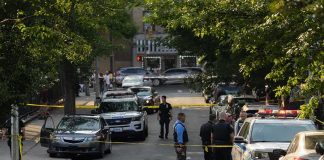
Reports describe an intense, hours-long gun battle in the Bakhshan area of Saravan, a city near the Pakistani border. Iranian state outlets say the Islamic Revolutionary Guard Corps (IRGC) Quds Force, working with intelligence and police units, moved against an armed cell it says had entered the region. Fighting stretched through the night before forces reported the group was “dismantled”.
Casualty numbers vary depending on who is telling the story. Iran’s Xinhua-carried statement says four members of a “terrorist” team were killed along with one security force member. A separate report from the Saudi-owned Asharq Al-Awsat outlet says five Revolutionary Guard-linked Basij fighters died in the same border clash. That gap alone shows how contested even basic facts become once Tehran’s press machine gets involved.
Who Says They Were The Ones Fighting
A group calling itself the Popular Fighters Front stepped forward to claim the dead as its own. Rudaw reported the group described itself as a Baloch armed outfit operating in Sistan and Baluchestan, saying one of its units in Bakhshan came under attack by Iranian military and security forces. A separate outlet, Hengaw, later reported the group confirmed four Baloch men killed were its members. That claim directly contradicts Tehran’s framing of the dead as foreign-backed infiltrators.
Iranian state media reject that framing entirely. Official statements call the group a “professional terrorist team” and claim it was linked to the United States and Israel, allegedly planning further attacks in the province. Regime-run outlets also say the team was carrying Starlink satellite communication equipment, weapons, and ammunition when it was intercepted. None of those claims have been verified by an outside party, and Tehran has a long track record of slapping the “terrorist” label on any armed resistance to its rule.
A Border Region With A Long Violent History
Saravan is not new to this kind of bloodshed. Baloch militant groups, most notably Jaish al-Adl, have staged deadly attacks on Iranian border guards and Guard Corps outposts in the same area since at least 2013, when 14 border guards were killed there. That history matters because it shows this is not an isolated flare-up. It is the latest chapter in a grinding, low-grade insurgency between Tehran and Baloch fighters who say the regime has crushed their region for decades.
Opposition groups tied to Iranian exile politics, including statements from the National Council of Resistance of Iran, have described related unrest in Saravan as part of a broader uprising, claiming dozens of protesters killed in earlier waves of violence. Those claims come from groups with their own agenda against the regime, so they deserve the same skepticism as Tehran’s own statements. Neither side in this fight has clean hands or an unbiased microphone.
Why This Fight Is Bigger Than One Border Town
What is clear, regardless of which label sticks, is that Iranian security forces are once again shooting it out with armed opposition inside their own borders. That is not a small thing for a regime that spends billions propping up proxy militias abroad while struggling to control restive minority regions at home. A government that cannot secure its own southeastern border has little business lecturing the world about stability.
Whether the Popular Fighters Front turns out to be a genuine resistance movement, a Baloch separatist cell, or something else entirely, the honest answer right now is that outside observers cannot fully verify either side’s account. What can be said with confidence is that Iranians are again dying in a fight against their own government’s security forces, and Tehran’s usual “foreign terrorist” script is being met with an actual armed group publicly claiming its own fighters.
https://twitter.com/TheLoneAlphaW/status/2098889458238021738
Americans watching from afar should take one lesson from Saravan. Regimes that rule through fear eventually generate their own armed resistance, and no amount of state media spin fully covers that up. Whatever this group calls itself, the gunfire in Saravan is one more sign that Iran’s grip on its own people is not as steady as Tehran wants the world to believe.
Sources:
thegatewaypundit.com, hengaw.net, ncr-iran.org, monitor-the-situation.com, iranintl.com, kurdistan24.net, presstv.co.uk, sundayguardianlive.com