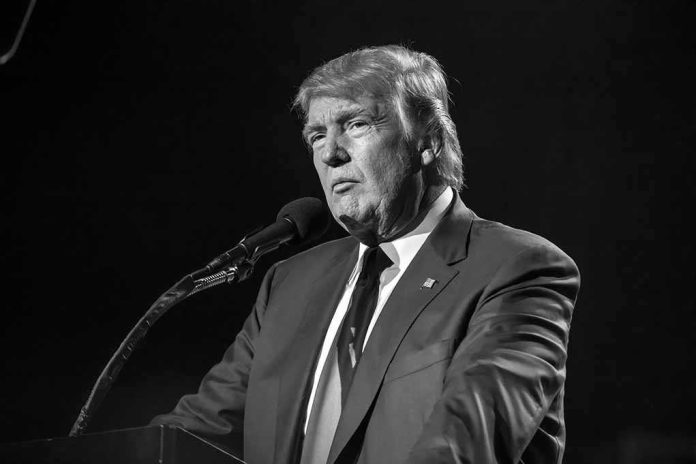
A federal judge just told President Trump to sit for a sworn deposition in his $10 billion defamation case against the BBC, and that single order turns a media apology into a high-stakes legal test of intent and harm.
Story Snapshot
- The judge ordered Trump to give a deposition by December 11 in the BBC case.
- The BBC admitted an edit created a false impression about Trump calling for violence.
- The broadcaster apologized but rejects that its mistake is defamation.
- The fight now shifts to proof of actual malice and measurable damages.
A court order forces the case from headlines into sworn testimony
The court’s command is simple and serious: Trump must answer questions under oath by December 11 or risk sanctions that could even threaten his claim. That timeline moves the dispute from press statements into evidence. Discovery will probe how the documentary was cut, who approved it, and whether anyone knew the sequence could suggest a direct call for violence. The order also removes a common stall point. Trump, as the plaintiff, must now explain claimed harm in detail and on the record.
The core factual backbone is not in doubt: the BBC said its edit gave a mistaken impression that Trump made a direct call for violent action. The broadcaster issued an apology and called the choice an error of judgment, with the chair sending a personal letter of regret. That admission strengthens Trump’s case on falsity. But a defamation claim is more than proving an error. He must also show actual malice and real damages, which is where most public figure claims run aground.
What the BBC concedes, and where it draws its legal line
The BBC accepts that its edit spliced distant parts of Trump’s January 6 speech in a way that looked continuous, and it apologized. It insists the aim was to convey the broader message and context, not to fabricate a single line. It denies malice, says Trump suffered no harm, and argues the program fails defamation standards. It also notes it did not make the show available on its United States platforms, a jurisdiction point that could matter. The broadcaster says it will defend the case in court.
The contrast is sharp. Trump says the cut struck at a central accusation: that he urged violence. The BBC says the error did not rise to libel, because it lacked intent, caused no harm, and sat inside a broader editorial frame. On paper, that is the classic clash between newsroom judgment and defamation law. In practice, jurors and judges often want emails, edit notes, and legal reviews that show what people knew and when they knew it. Discovery will chase those records.
The legal mountain: actual malice and damages
Public figures must show actual malice. That means the publisher knew a claim was false or showed reckless disregard for the truth. Courts set a high bar, and many suits fail there. The BBC’s apology helps on falsity but does not prove state of mind. Trump will need internal messages or testimony that reveal warnings, doubts, or a decision to cut corners. He must also provide real damages, not just broad claims of harm. Judges often look for proof such as lost deals or expert studies.
Defense lawyers will argue that Trump’s re-election undercuts claimed injury. They will also point to the apology as a correction, not an admission of malice. That argument aligns with how many courts view edited broadcasts when intent is not clear. But the deposition order changes the tempo. If Trump details specific harms, names contracts, and ties them to the broadcast window, the case gains weight. If he cannot, the defense theme becomes harder to shake.
What discovery must answer to resolve the dispute
The questions now write themselves. Who chose the exact cuts, and what did their notes say? Did anyone flag that the splices were an hour apart? What did the script and narration promise viewers? Did legal or standards teams clear the sequence? When and how did the team learn the edit misled? Each answer feeds the actual malice test and the damages model. One solid email can swing a case. One empty record can end it.
The news article from the Associated Press reports that a federal judge has ordered Donald Trump to sit for a deposition in his defamation lawsuit against the BBC by December 11.
— Ric Ball 🌈✌️🤟🏼 🕎🌻🚫fascism. (@ricball) October 22, 2026
The stakes go beyond one documentary. This fight sits inside a larger trend where public figures sue media to challenge hostile coverage and shape public debate. Courts still protect robust speech, and most suits by public officials fall short. But high-profile discovery can surface strong evidence, prompt settlements, or reframe a narrative. The judge’s order ensures we will not guess. We will read sworn words, review documents, and see whether this was a bad cut or a legal wrong that carries a real price.
Sources:
cbsnews.com, nbcnews.com, wrtv.com, bbc.com, yakimaherald.com, washingtonpost.com