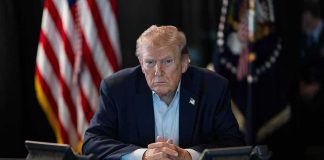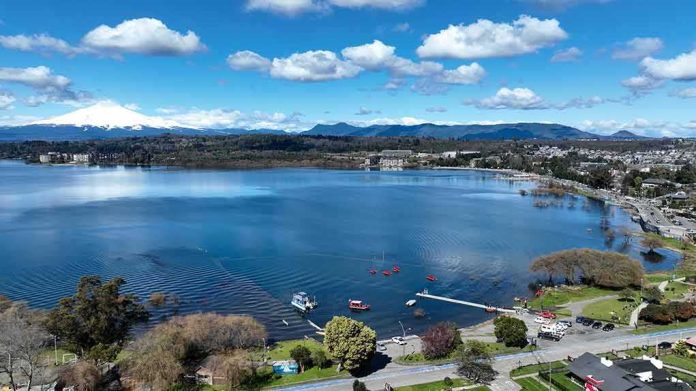
President Trump signed an order to rename Lake Ontario as “Lake America,” tying a map change to a trade fight and daring Canada to ignore it.
Story Snapshot
- The White House issued Executive Order 14420 renaming Lake Ontario in federal usage.
- The order directs agencies to update maps, contracts, and the federal names database.
- Trump linked the move to a Canada trade dispute and said the change is immediate.
- Canada said it will keep calling it Lake Ontario and rejects the new name.
What the Order Does Inside the United States
The executive order instructs the Secretary of the Interior and the United States Board on Geographic Names to change federal usage to “Lake America” and update the Geographic Names Information System. That means new federal maps, contracts, and communications will adopt the name across agencies. This is how the federal government standardizes names. The action creates uniform domestic usage and avoids confusion inside federal systems. It does not force states or private publishers to comply, though many follow federal style.
Trump framed the lake as an American feature and said the rename should reflect that. He linked the action to a dispute with Canada over trade, saying Canada has taken advantage of the United States for years. He first floated the idea two days earlier, stating the United States may not do “much business with Ontario any longer,” and then signed the order on August 27, 2026. The White House described the change as effective for federal use right away.
Where the Renaming Hits a Wall
The lake straddles the United States–Canada border. The United States can set its own federal terminology, but it cannot force Canada or international bodies to follow. Canada’s industry minister responded, “We’ll always call it Lake Ontario,” rejecting the new name outright. International naming practice also favors parallel usage for shared features. The Congressional Research Service notes that federal naming decisions do not automatically control international use or multilateral charts. Expect dual names to appear across borders for the foreseeable future.
Supporters will argue this move asserts national confidence and clarity at home. They will say it is common sense to set one name inside federal systems, and that it costs little while sending a message. That view fits American conservative values of sovereignty, clear standards, and leverage in trade disputes. The order achieves that domestic standardization goal cleanly. But it stops at the waterline of international acceptance, which relies on agreement and practice, not a single country’s decree.
What Changes on Maps and What Does Not
Federal cartography, databases, and communications will update “Lake Ontario” to “Lake America” once the United States Board on Geographic Names and Interior execute the order. Federal agencies that print charts, issue permits, or manage grants will likely adopt the term. State and local governments may choose to mirror it, ignore it, or run dual labels. Private platforms and publishers often follow demand and international standards. Many will continue to use Lake Ontario when content targets Canadian or global audiences.
Trump signs order renaming Lake Ontario as 'Lake America' in the United States
Source: The Independent https://t.co/mKdWyX9xe8— NoLongerAdem2🇺🇸 (@LongerAdem2) August 27, 2026
On the water, operations stay the same. Shipping rules, search and rescue, and water quality work rely on treaties and joint bodies. Those frameworks do not change because the United States rebrands a name in federal text. Canada’s stated refusal to adopt the new name ensures split usage on binational notices and charts. That split can last for years. Even strong domestic directives cannot force a partner nation or the wider map market to change labeling on an international feature.
The Political Message and the Practical Reality
Trump attached the rename to a larger argument on trade leverage and unfair treatment. That message will land with voters who want tougher tactics and a simpler brand for American places. The order also shows a leader willing to use every symbolic tool to set terms. Critics will call it stunt politics, but the order does what executive power can do at home: it fixes one standard across federal usage. The limit is not legal inside the United States. The limit is international buy-in and market adoption.
Sources:
insiderpaper.com, reuters.com, wsj.com, ckom.com, usatoday.com, washingtonpost.com