A Georgia police officer accused of sexually assaulting a handcuffed woman during a jail transport is the kind of betrayal that shreds public trust—and hands ammunition to the very activists who want to weaken lawful policing.
Quick Take
- South Fulton patrol officer Michael Shealy Cockran, 30, was arrested and fired after a woman alleged he sexually assaulted her while transporting her to jail.
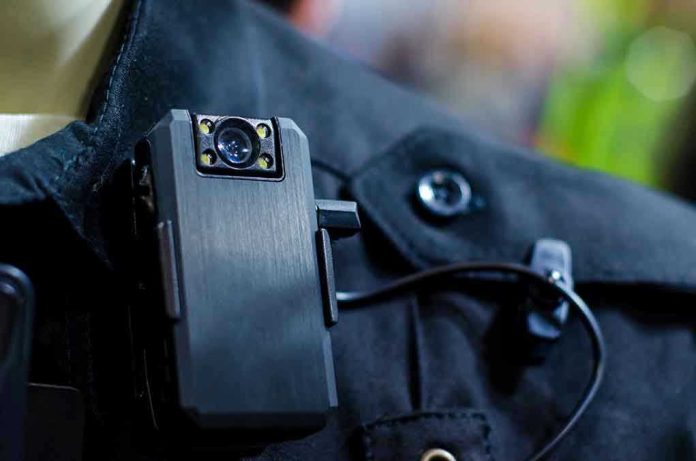
- Authorities say the officer turned off his body camera, diverted to an undisclosed location, and the woman reported the assault after arriving at Fulton County Jail.
- Investigators cited in-car video/vehicle tech and statements as key evidence, and the charges reflect Georgia law covering sexual misconduct by an officer over someone in custody.
- South Fulton’s interim public safety director said consent is legally irrelevant in this situation because of the custodial power imbalance.
What investigators say happened during the March 21 transport
South Fulton Police say the case began early March 21, 2026, when Officer Michael Shealy Cockran responded to a domestic violence call and encountered a 28-year-old woman who had active warrants. Police say Cockran arrested her, placed her in the back of his patrol vehicle, and then deviated from a direct trip to jail. Authorities say he turned off his body camera, drove to an undisclosed location, and sexually assaulted her before continuing to the Fulton County Jail.
Police leadership said the woman reported the alleged assault after she arrived at the jail, triggering notifications to investigators consistent with policy. Officials described the investigative timeline as fast-moving, with evidence collected within days rather than months. Some early reporting contained confusion about which jail received the victim, but statements and follow-up coverage identified Fulton County Jail as the location where she reported the assault to correctional personnel and where the case moved forward.
The charges hinge on custody and authority, not “consent” narratives
Cockran was booked on charges that include sexual assault by a person with supervisory or disciplinary authority and violation of oath of office, according to statements made during department briefings. Under the framework described by officials, the allegation is not treated like a typical he-said-she-said encounter because the suspect was a sworn officer exercising custody over a detainee. Department leadership emphasized that the custodial relationship itself is the core legal issue, making claims of “consent” immaterial to the alleged offense.
That distinction matters to citizens who back law and order while also insisting that government power be tightly constrained. A handcuffed detainee in the back of a patrol car has no realistic freedom to refuse, leave, or seek help, and that power imbalance is precisely why states write specific statutes targeting sexual misconduct by officers and jail staff. When a badge becomes leverage for personal abuse, it undermines legitimate policing and invites the kind of sweeping, anti-cop overreach many conservatives oppose.
Technology and internal action moved faster than the public expects
Officials said investigators relied on multiple sources of evidence, including patrol vehicle technology and video systems, along with statements gathered during the inquiry. Leadership characterized the evidence as “overwhelming,” and said the information collected supported the appearance that a sexual assault occurred during the unauthorized detour. The department’s public messaging also stressed this was not being brushed aside or slow-walked, a point that matters in an era when public confidence often depends on whether misconduct is confronted immediately.
Firing, prosecution, and the bigger accountability dilemma for pro-police voters
On March 25, 2026, officials announced Cockran had been arrested, booked into the Fulton County Jail, and fired from the South Fulton Police Department after initially being placed on administrative leave. Interim public safety managing director Dr. Cedric Alexander said the case should not be treated as an indictment of the many officers who do their jobs honorably, while still framing the alleged conduct as a serious violation of state law and public trust. The matter now moves through prosecution and the courts.
Georgia Cop Charged With Sexually Assaulting Woman on Way to Jail After He Arrested Her #Rape #Georgia
#Violentcrimehttps://t.co/nr66TKEDDE pic.twitter.com/tjWVRfefQ4
— Julie Zapor ~'Brave Clarice' 🔥⚖️ (@ZaporJulie) March 26, 2026
For conservative voters—especially those already frustrated by inflation, high energy costs, and foreign-policy churn in a country now fighting Iran—this story lands in a sensitive place: Americans want safe streets and respect for law enforcement, but they also want government agents held to a higher standard than the average citizen. The most durable reform isn’t anti-police activism; it’s enforcing clear rules, preserving evidence, and prosecuting abuse decisively so good officers aren’t forced to carry the stain of bad ones.