A sitting Mexican governor under U.S. drug and weapons indictment left office, then returned months later, daring a cross-border showdown over power and accountability.
Story Snapshot
- U.S. prosecutors charged Sinaloa Governor Rubén Rocha Moya with drug trafficking and weapons crimes.
- Rocha took a leave in May, then returned to office in August while denying wrongdoing.
- Mexico’s response highlights growing strain with the United States over extradition and evidence standards.
- The case fits a pattern of cartel-politics overlap that tests institutions on both sides of the border.
What U.S. Prosecutors Allege
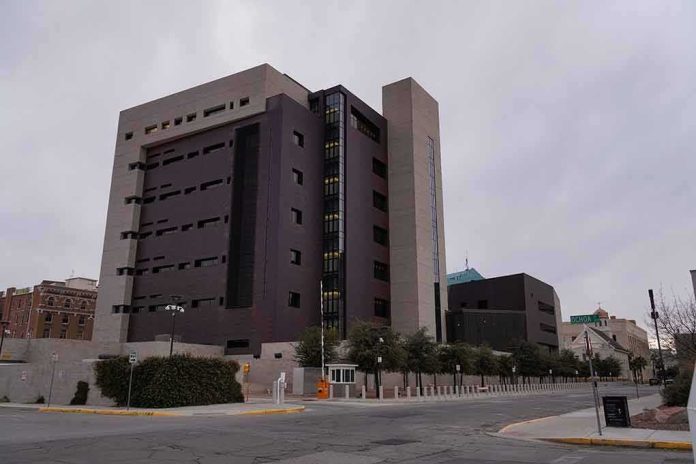
On April 29, the U.S. Department of Justice unsealed an indictment against Rubén Rocha Moya, the governor of Mexico’s Sinaloa state. The filing in federal court in New York charges narcotics importation conspiracy and related machine gun offenses. Prosecutors say Rocha and nine current or former officials helped move drugs into the United States for money and political gain. The charges carry long sentences, including a possible life term.
Reporting across major outlets matched the Justice Department’s account. Coverage described officials accused of aiding a major cartel’s smuggling routes. The case links to a broader push by U.S. authorities to pursue not just traffickers, but the politicians who allegedly protect them. Analysts said this tactic aims to break protection networks that outlast arrests of individual drug bosses.
How Rocha Responded And Returned
Days after the indictment, Rocha said he would step aside temporarily to fight the charges. He denied wrongdoing and claimed the case was political. In late August, he announced his return to office, saying he had a clear conscience. International outlets documented his brief leave, his public defense, and his resumption of duties despite the U.S. case moving ahead in New York.
Rocha’s comeback was not the end of the story. Local and national reaction in Mexico raised pressure. Reports said he soon requested leave again after blowback. That back-and-forth showed how legal risk and political risk can collide. A governor can legally sit in office under foreign charges, yet still face intense scrutiny at home and abroad as each step signals defiance or cooperation.
Why This Escalates U.S.–Mexico Tensions
U.S. prosecutors want accountability that reaches into political offices. Mexican leaders are insisting on stronger proof before allowing extradition of a sitting governor. Experts say this gap has widened since the charges, and it now tests trust between security partners. Mexico’s demand for “irrefutable” evidence before extradition appears to raise the bar beyond normal treaty practice, according to legal analysts.
The governor of Mexico’s violence-plagued Sinaloa state, Ruben Rocha, who is wanted by the US on drug trafficking charges, said Friday he had returned to office after a nearly four-month absence.https://t.co/Njrq0JWoUz
— Katie Liane (@TheKaterPotater) August 21, 2026
The dispute lands at a hard time for both countries. Americans see overdose deaths and cartel profits still rising. Mexicans see Washington indicting elected officials while domestic institutions strain to respond. Past cases show this is not rare. Several Mexican governors have faced corruption or cartel claims over the last two decades, often with overlapping inquiries on both sides of the border. Each case forces a choice: clean house, close ranks, or do both at once.
What It Means For Americans Worried About A Failing System
Families on both the right and left want safer streets and honest government. They also suspect powerful people game the rules. This case shows why. A top official can be charged with severe crimes, deny it, and still hold office. The United States says the evidence is strong. Mexico demands more. Meanwhile, fentanyl and meth keep moving, and cartels adapt. When institutions argue over process, the public sees drift instead of results.
For U.S. readers, the stakes are direct. If the indictment holds, it suggests cartel cash can buy political cover across the border. That undercuts every policy aimed at the drug trade. If the case fails, it shows the need for stronger proof before going after elected leaders. Either way, the burden is on institutions to act fast, share evidence, and deliver outcomes people can trust. Without that, cynicism grows, and the system looks rigged.
The Next Tests To Watch
Courts in New York will set the pace of the U.S. case. Mexican authorities will decide how far to cooperate on evidence and travel limits. Any move on extradition will be a flashpoint. Business and trade ties may feel strain if trust erodes. For now, Rocha’s return and renewed leave requests show the legal fight is shaping the political calendar. The outcome will tell voters whether laws reach the powerful, or whether power still bends the law.
Sources:
insiderpaper.com, cnn.com, bbc.com, nytimes.com, aljazeera.com