A teenage girl vanished, and 17 months later her body surfaced in the most modern hiding place imaginable: the sealed front trunk of a Tesla tied to a rising music star.
Story Snapshot
- Celeste Rivas Hernandez was reported missing from Lake Elsinore in April 2024; her remains were found in September 2025.
- Impound workers in Hollywood noticed a foul odor from an abandoned Tesla; police found two cadaver bags in the front storage compartment.
- Recording artist David Anthony Burke, known as D4vd, has been named a target of a Los Angeles County grand jury probe but has not been charged.
- Texas courts became part of the case when subpoenas reached D4vd’s relatives and associates across state lines.
From “Missing” to “Impounded”: How a Cold Case Suddenly Woke Up
Celeste Rivas Hernandez disappeared in April 2024, and public-facing details about what happened next stayed thin for more than a year. The case snapped back into focus in early September 2025, not through a tip or confession, but through city routine: a Tesla ticketed under Los Angeles parking rules, then towed to a Hollywood impound yard after it sat too long. The ordinary paperwork set up an extraordinary discovery.
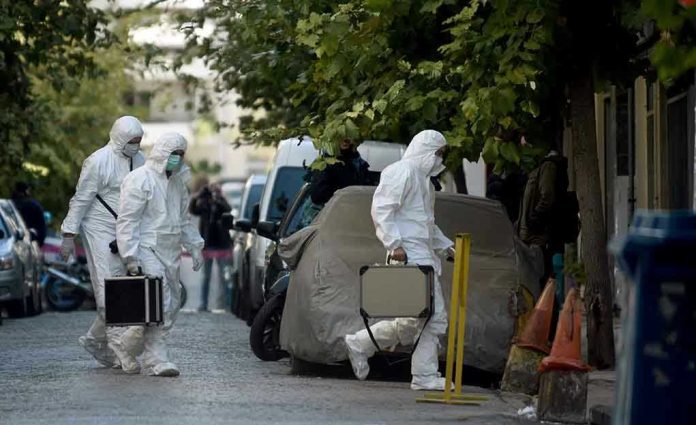
Impound employees detected a foul odor coming from the vehicle, prompting police to inspect it. Investigators later described finding two cadaver bags containing severely decomposed, dismembered remains in the Tesla’s front storage compartment. That detail matters because it reframes the story from a “missing teen” case into a disposal-and-concealment case. It also raises the question nobody can yet answer publicly: where was Celeste killed, and when did the car become part of it?
The Tesla “Frunk” Problem: Convenience for Owners, Opportunity for Criminals
Electric vehicles add a new wrinkle to old crimes: extra storage that many people rarely open. A front trunk can become a “set it and forget it” space, especially if the car changes hands, sits idle, or gets abandoned. That doesn’t mean the vehicle created the crime, but it can shape how a body is hidden and how long concealment lasts. In this case, decomposition, odor, and time did what human attention failed to do.
Police estimates reported in court-related coverage suggested the victim had been dead at least several weeks before discovery, yet she had been missing far longer. That gap invites competing narratives: delayed homicide, movement of remains, or long-term concealment with a late-stage transportation and dumping decision. Adults reading this should resist the social-media impulse to “solve” it from the couch. Grand juries exist because real cases hinge on verified timelines, not vibes.
What “Grand Jury Target” Actually Signals, and What It Doesn’t
Calling D4vd a “target” of a grand jury investigation signals prosecutors believe the evidence points toward potential criminal exposure, not merely peripheral knowledge. It still does not equal a charge, and it does not erase the presumption of innocence. The conservative, common-sense view is simple: the state should either prove its case or stop smearing someone through insinuation. Grand jury secrecy exists to protect investigations and reputations, even when public curiosity screams for details.
Authorities have also shown the limits of early reporting. Public chatter claimed the remains were decapitated or frozen; an LAPD captain later disputed those specifics. That correction is more than a footnote. High-profile cases attract sensationalism, and sensationalism pressures investigators, intimidates witnesses, and poisons jury pools. Responsible adults should demand clarity: what has law enforcement said on the record, what has a court document stated, and what is just content-churn dressed up as certainty?
Why Texas Courts Ended Up in a Los Angeles Homicide Investigation
The case sprawled beyond California when subpoenas reached D4vd’s family members and others reportedly located in Texas and elsewhere. When witnesses resist, courts test the strength of compulsory process: can a state force testimony across borders, and how far can someone go to avoid appearing? Texas appellate action denying attempts to sidestep subpoenas underscored a basic principle that matters to public safety: witnesses can’t simply opt out because the spotlight feels unfair or inconvenient.
That interstate tug-of-war also hints at how prosecutors are building the story. Subpoenas often target communications, travel patterns, financial threads, and relationship timelines—especially when investigators need to map how a missing teen could intersect with an adult celebrity’s orbit. The investigation reportedly involved search activity at an expensive Hollywood Hills rental and testimony from people around the artist. Each move suggests prosecutors are assembling chronology first, because motive and method usually emerge from sequence.
The Unanswered Questions That Will Decide the Public’s Trust
Three unknowns dominate: the cause of death, the location of the homicide, and the nature of any relationship between the victim and the people now pulled into legal proceedings. Courts have reportedly kept the cause of death under seal, a decision that frustrates the public but can protect an investigation from contamination. When law enforcement won’t even label a death publicly as homicide while court filings reference a murder probe, the system invites skepticism—and must earn trust through eventual proof.
Celeste’s family now has the remains back, but not closure. For everyone else, this story carries a hard lesson about modern America: flashy careers, expensive rentals, and high-tech vehicles don’t cancel out old evils, and they don’t replace community vigilance when a child goes missing. The public should stay disciplined—follow what courts and verified documents establish, reject rumor-as-entertainment, and insist that whoever harmed this girl faces a process that is swift, lawful, and final.
Sources:
D4vd murder investigation: Celeste Rivas’ remains found in Tesla – FOX 11 Los Angeles
Court docs: D4vd considered target in Celeste Rivas Hernandez investigation – Court TV
D4vd ‘target’ of grand jury murder probe into teen found in his car – Los Angeles Times
Death of Celeste Rivas Hernandez – Wikipedia
New Documents Reveal Disturbing Details in D4vd-Celeste Rivas Case – Men’s Journal