New York City just named a 9/11 victim nearly 25 years later by pairing DNA with family trees, and it changes what is possible next.
Story Snapshot
- City officials confirmed a new 9/11 identification using forensic investigative genetic genealogy.
- This is the first World Trade Center identification made with this method.
- The woman’s name remains private at her family’s request.
- The technique could unlock more identifications long thought out of reach.
City confirms first 9/11 identification using genetic genealogy
New York City announced the identification of a previously unknown World Trade Center victim, using a technique that blends DNA analysis with genealogical research. Mayor Zohran Mamdani and the Office of Chief Medical Examiner said the lead came from forensic investigative genetic genealogy and was confirmed by the city’s laboratory. Police detectives helped build the family tree that pointed to the match. Officials described the case as the first time this combined approach solved a 9/11 identification.
The woman’s family chose to keep her name private. The Office of Chief Medical Examiner reported that this identification follows years of re-testing small, damaged remains collected after the attacks. The lab compared newly developed DNA information against reference DNA from relatives who had volunteered samples. The genealogy step narrowed the search to a family line. The lab then confirmed identity using standard forensic methods and rules used in mass fatality work.
How the method works and why it matters now
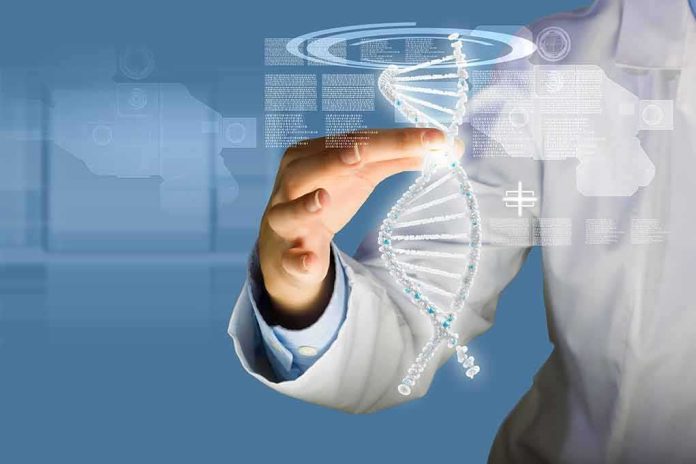
Forensic investigative genetic genealogy starts with DNA data built to withstand decay and time. Analysts compare that data to known relatives or to potential relatives found through family tree research. Detectives then map out the likely family branches. Scientists look for close biological links to reach a specific person. The process never stands alone; the medical examiner confirms the result with accepted forensic tests before any name is added to the official 9/11 roll.
The World Trade Center effort has always pushed technology forward. Earlier identifications relied on short tandem repeat DNA tests, dental records, and personal items. Over time, improved chemistry and new tools rescued more information from tiny, heat-damaged fragments. Research projects have projected that further testing of thousands of remaining fragments could yield dozens more first-time identifications as tools improve and more relatives come forward with reference DNA.
The scale of what remains and the path ahead
Thousands died at the World Trade Center, and officials identified a majority in the first years, mostly through DNA. Yet many families still wait. City updates over the years have placed the number of unidentified victims at about forty percent at various points, a gap driven by degraded remains and missing reference samples from families. Officials continue outreach for family DNA and continue re-testing archived remains as methods improve.
FIGG (Forensic Investigative Genetic Genealogy) Helps Identify 9/11 Victims:
Office of the Chief Medical Examiner (OCME) today announced the identification of a previously unknown victim of the September 11, 2001 terror attacks on the World Trade Center, using the… pic.twitter.com/cJSnIPdFiD
— Dark Triad (@darktriadtc) August 26, 2026
This new case suggests more progress is likely. Genetic genealogy can help when no close family reference exists or when standard DNA markers are too weak. But it still needs careful guardrails. Investigators must protect privacy, follow strict lab practices, and confirm every lead with traditional forensic standards before any name is released. That balance respects families, honors the dead, and supports public trust while using every ethical tool to finish the job.
Why this breakthrough resonates with American common sense
Public safety professionals promised to identify the fallen and return them to their families. They kept at it for two decades, improved the tools, and did not quit when tests failed. That is perseverance taxpayers expect and respect. The approach here is simple and sound: find the truth, verify it, and guard the living’s privacy while you do it. When government focuses on mission, science, and dignity—not headlines—it earns confidence the right way.
Sources:
thegatewaypundit.com, 6abc.com, nyc.gov, yahoo.com, npr.org, instagram.com, newsday.com, pmc.ncbi.nlm.nih.gov, pubmed.ncbi.nlm.nih.gov