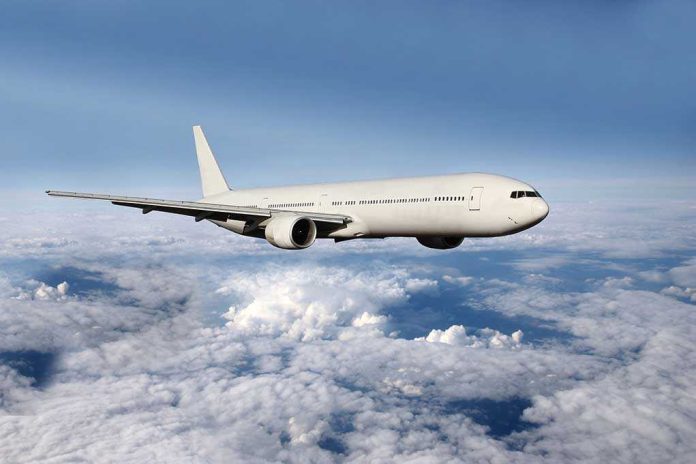
Airbus’ urgent recall of the A320 aircraft due to a flight control software glitch threatens to unravel the holiday plans of millions.
Story Overview
- Airbus announced a mandatory recall of the A320 family on November 28, 2025.
- The recall is due to a flight control software issue linked to a solar flare.
- The timing coincides with peak holiday travel, causing massive disruptions.
- Significant operational challenges for airlines worldwide as they rush to comply.
Recall Impact on Aviation
Airbus’ recall affects a significant portion of the A320 fleet globally, requiring immediate software updates. The announcement comes as a shock, particularly because of its unusual cause—a solar flare. This recall is not a routine maintenance issue but a safety-critical update that airlines must implement swiftly to ensure continued flight safety.
The recall’s timing, just as the holiday travel season peaks, adds to the chaos. With thousands of flights potentially grounded, airlines such as American Airlines and Avianca face operational nightmares. American Airlines, with 340 of its 480 A320 aircraft affected, has yet to issue a formal alert, compounding passenger uncertainty.
Logistical Challenges Facing Airlines
Updating the flight control software on hundreds of aircraft is no small feat. Each update requires about two hours of maintenance, which, while seeming manageable for individual planes, poses a massive challenge when scaled to the global fleet. Maintenance bases are overwhelmed, with unprecedented demand for the software fix, creating a bottleneck that delays return to service.
The ripple effects are felt across the aviation sector. Airlines scramble to rebook passengers, manage fleet availability, and maintain schedules. The strain on maintenance facilities is palpable, with technicians working around the clock to expedite the update process.
Broader Implications for the Aviation Industry
The incident underscores vulnerabilities in modern aircraft reliant on complex software systems. It raises questions about the robustness and reliability of flight control software across the industry, particularly given the unexpected influence of solar events. Regulatory bodies may intensify scrutiny on software update procedures to prevent similar occurrences.
Passenger confidence in the safety of the A320 could waver, given the scale of the recall and its timing. Airlines are likely to face financial losses due to grounded flights and rebooking costs, with potential long-term impacts on their operational strategies.
Looking Ahead
Airbus’ swift action in issuing the recall demonstrates its commitment to safety, but the fallout is significant. The aviation industry faces a pivotal moment as it navigates the complexities of software-dependent operations in an era of unpredictable environmental impacts.
As the situation evolves, stakeholders from airlines to passengers will need to adapt to the changing landscape. The incident serves as a reminder of the delicate balance between technology, safety, and operational efficiency in the high-stakes world of aviation.