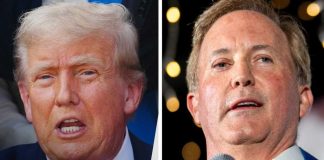
Adam Schiff said he is in “strong agreement” with President Trump on a federal film tax credit, and he asked Congress to move now.
Story Snapshot
- Schiff backed Trump’s call for a national film and TV production tax credit.
- He urged Congress to pass it quickly and keep jobs and spending in the United States.
- He has warned that blanket tariffs on foreign films could backfire.
- Hollywood and key California leaders have lobbied for a federal incentive for over a year.
Schiff Aligns With Trump On A Federal Tax Credit
Senator Adam Schiff said he agrees with President Trump on a plan to create a federal tax incentive for film and television production. He posted that Congress should “immediately take up and pass” a national production credit and invited both parties to work together to get it done. His stance matches months of outreach from California leaders who want Washington to counter richer offers from Canada and the United Kingdom that lure projects away.
Schiff’s push follows the White House’s focus on reviving domestic shoots. The goal is simple: tip budgets toward American crews, soundstages, and vendors. Supporters see a clear link between a federal credit and more below-the-line jobs in places like Burbank, Atlanta, and New York. They argue that a national program would stop the current race where productions chase the best deal across borders, and keep spending anchored at home.
Tariffs Versus Incentives: Why The Tool Matters
Trump’s earlier talk of steep tariffs on films made abroad sparked debate across the industry. Schiff said tariffs risk “potentially damaging impacts,” and he pressed for a robust tax credit instead. The reason is practical. Tariffs land like a tax on viewers and distributors. A credit lowers the cost to film here without punishing consumers. That fits conservative common sense: reward the work you want, do not tax the people who watch it.
Analysts and trade voices flagged real risks from blanket tariffs, including harm to partners in Europe and higher costs on streaming platforms that subscribers would likely pay. The smarter play is a predictable, performance-based incentive that triggers only when productions spend money and hire workers in the United States. That approach targets jobs, not headlines, and it avoids trade fights that can spill into other sectors.
What A Federal Credit Could Do—And What It Cannot
States built their own credits for years. Research shows incentives can lift activity in the film sector, but the broader payoff varies. Some studies find small, sustained gains in industry jobs, while others see weak returns for taxpayers. Results depend on program design, caps, audits, and whether spending is truly new to the area. A federal credit could standardize rules, reduce wasteful state bidding wars, and lock work inside U.S. borders, if drafted with tight guardrails.
Design matters more than slogans. Caps prevent runaway costs. Strong audits stop sham spending. Bonus rates for training can grow a skilled crew base nationwide. A sunset date forces Congress to review results. Tying credit amounts to real in-state wages and vendor use keeps benefits local. This is how to meet the aim both parties claim to share: more American shoots, more middle-class set jobs, and a cleaner return for taxpayers.
The Politics Of Unlikely Agreement
California leaders, including Governor Gavin Newsom and Representative Laura Friedman, have pressed Washington to match foreign incentives that now reach as high as a large share of a project’s budget. The shared pitch to the White House has been consistent: a national credit large enough to compete, with simple rules and quick payouts. Schiff’s public alignment with Trump turns that pitch into a clear legislative ask rather than a talking point.
Adam Schiff Announces 'Strong Agreement' With Trump on Hollywood Tax Plan: 'Let's Work Together' https://t.co/8w90PjmSt8
— Mediaite (@Mediaite) September 1, 2026
Congress now faces a straight choice between blunt trade measures and a targeted incentive. Schiff’s stance favors the targeted route, and the facts support it. A federal credit can be scoped, capped, and measured. Tariffs are a sledgehammer that risk hitting the audience and partners more than they hit offshoring. If lawmakers want jobs, not drama, the tax-credit script is ready. The next scene belongs to the committees that write the bill and mark the scorecard.
Sources:
mediaite.com, foxnews.com, deadline.com, latimes.com