Police say a Sudanese asylum seeker tried to kill a man in Belfast, and the coverage fight that followed shows how crime and immigration now collide in real time.
Story Snapshot
- Police arrested a 30-year-old Sudanese man on suspicion of attempted murder after a brutal stabbing in north Belfast.
- Officers said there was no sign of terrorism; a kitchen knife was recovered at the scene.
- Unrest and arson spread as anti-immigrant protests flared after the attack.
- The British Broadcasting Corporation reported the suspect’s Sudanese background and the attempted murder charge in later pieces.
What Happened On The Street
Police in Northern Ireland said a man in north Belfast suffered severe facial and eye injuries after a violent knife attack. Officers arrested a 30-year-old man soon after. Officials said the suspect is from Sudan and had applied for asylum. They charged him with attempted murder. Police said they found what they believe was a kitchen knife at the scene. A senior officer said there was no sign the attack was terror-related while the investigation continued.
Police leaders urged calm as rumors spread. They said the motive was still under review and they were working fast. Early details on the suspect’s identity shifted as police checked records. An initial note pointed to Somalia, then officials confirmed Sudan. That correction is common when facts are moving, but it also feeds public doubt. The result was a rough mix of fear, anger, and speculation that set the stage for the next 48 hours.
How The Streets Turned Hot
After the arrest, protests broke out. The crowds were angry, and some aimed that anger at migrants. Police and firefighters faced arson, vandalism, and assaults in parts of the city. Vehicles and buildings were damaged as unrest spread beyond the first scene. Reporters on the ground described “sporadic pockets of disorder” and warned it could grow if leaders failed to cool tensions. The violent turn changed the focus from one stabbing to citywide public order.
Public order stories often eclipse the original crime. That happened here. The more the fires burned, the more airtime shifted to riot control, arrests, and condemnation. Families of the victim asked people not to use the attack to fuel hate, which is understandable when a wound is still fresh. But the pivot made one question harder to track for viewers at home: what, exactly, happened on that street, and who said what, when?
What The British Broadcasting Corporation Reported, And When
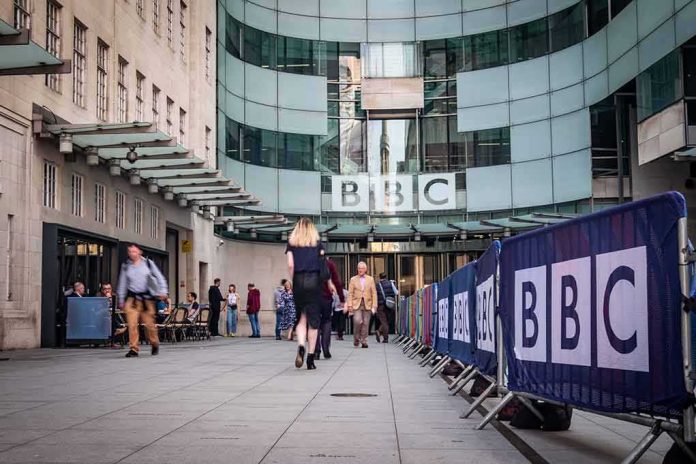
The British Broadcasting Corporation reported that police believed the suspect was Sudanese and that he was arrested on suspicion of attempted murder after a “brutal” knife attack. Later coverage said a 30-year-old Sudanese man was charged with attempted murder and due in court. The outlet also noted police recovered a kitchen knife and found no trace of the suspect on national security databases. These statements line up with police briefings and court steps in the first days.
Critics said the British Broadcasting Corporation softened or delayed key facts to avoid stoking bias. The record shows the outlet did acknowledge the suspect’s Sudanese background and asylum context in follow-on pieces. It also reflected police language downplaying a terror link at that point. Based on what we have, the issue looks less like concealment and more like the usual push-pull between speed, legal caution, and the broadcaster’s own rules about content that could incite disorder.
Where Common Sense Lands
Viewers deserve straight facts, fast. That means charge, suspect status, injuries, and whether terror is suspected. Police and the press delivered most of that within a day, and they corrected an early nationality note. That is how responsible systems should work. But the public also needs the core crime covered with the same energy as the protests. Order matters: first the victim, then the suspect, then the streets. When coverage flips that order, trust takes a hit.
American conservative values prize truth, equal justice, and public safety. Those values fit this case. Tell the hard facts without fear. Do not smear by group, but do not hide the suspect’s background when it is relevant to the case timeline and the policy debate it sparked. The British Broadcasting Corporation will say its rules aim to avoid panic or hate. Fair enough. Yet clarity is the best antidote to frenzy. Say what is known. Correct fast. Keep the focus on the crime and the law.
What To Watch Next
Courts will test the evidence behind the attempted murder charge. Police will release more detail on the weapon, the injuries, and the timeline. Leaders will face questions on asylum processing, information sharing, and how to prevent copycat unrest. Newsrooms will revisit wording choices as the full file becomes public. The test for all sides is the same: more light, less heat. Belfast has had enough of both knives and fire. It needs facts to cool the city down.
Sources:
abc.net.au, bbc.com, bbc.co.uk, independent.co.uk