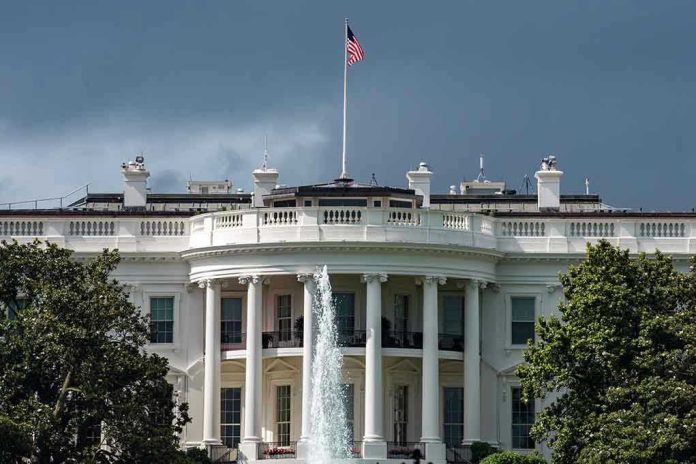
In a surprising twist of political theater, President Trump and NYC Mayor-elect Zohran Mamdani set aside their fiery rhetoric for a moment of unexpected civility in the Oval Office.
Story Snapshot
- Trump and Mamdani, meet in a historic Oval Office session.
- Trump quips about being called a fascist, urging Mamdani to “just say yes.”
- Despite ideological divides, both leaders express a commitment to collaborate on NYC’s pressing issues.
- The meeting symbolizes a potential shift from campaign antagonism to pragmatic bipartisanship.
A Meeting of Opposites
Donald Trump and Zohran Mamdani’s meeting was a spectacle of political contrast. Trump, a conservative Republican known for his confrontational style, and Mamdani, a progressive Democrat, represent starkly different visions for governance. Their meeting in the Oval Office on November 22, 2025, followed a contentious mayoral campaign where Trump labeled Mamdani a “communist” and “jihadist.” This encounter, however, was marked by an unexpected cordiality, setting the stage for a potential collaboration on urban challenges.
During the meeting, Trump’s remark about being called a fascist—“You can just say yes”—was met with composure by Mamdani. This exchange, although sharp, underscored their willingness to discuss pressing issues like crime, cost of living, and housing. The humor and directness of their conversation broke the ice, signaling a possible thaw in their political rivalry. While the meeting did not result in immediate policy agreements, it laid the groundwork for future dialogue.
Political Polarization Meets Pragmatic Governance
The Trump-Mamdani meeting is a microcosm of the broader political polarization in America. It highlights how leaders with divergent ideologies can pivot from campaign hostility to governance pragmatism. Both leaders have vested interests: Trump seeks to maintain his influence over national and local politics, while Mamdani aims to establish his credibility as a progressive reformer. Their interaction suggests that even amid deep-seated ideological divides, common ground can be found in addressing the city’s practical needs.
Such meetings between ideologically opposed leaders are rare but not unprecedented. Historically, they often generate media spectacles rather than substantive policy shifts. Yet, the cordial tone of this meeting may signal a new approach to bipartisanship that prioritizes citizens’ welfare over political grandstanding. The significance of this event lies not only in its immediate outcomes but also in its potential to serve as a template for future cooperation between federal and municipal governments.
Implications for NYC and Beyond
The Trump-Mamdani meeting has several implications for New York City and possibly the nation. In the short term, it has captured media attention, with observers noting the shift towards a more civil discourse. This could ease partisan tensions within NYC governance, making way for joint initiatives on urban issues like crime reduction and affordable housing. In the long term, the meeting could set a precedent for pragmatic cooperation between leaders with opposing views, influencing future federal-municipal relations.
For NYC residents, particularly those affected by crime and housing concerns, this collaboration offers a glimmer of hope for effective governance. Politically, the meeting challenges both parties to rethink their approaches to bipartisanship, potentially reshaping public perceptions of political civility. Economically and socially, successful collaboration could lead to significant improvements in urban policies, affecting sectors such as law enforcement and housing.