Barack Obama’s star power is landing in Detroit, but one blunt local voice says it will not fix Abdul El-Sayed’s problem with Black voters.
Story Snapshot
- Obama will rally with Abdul El-Sayed in Detroit on October 24, the first day of early voting.
- El-Sayed announced the event himself, signaling a targeted turnout play.
- Detroit commentator Adolph Mongo says Obama’s visit will not win back skeptical Black voters.
- Local reporting shows Obama-branded messaging has sometimes pushed Black voters toward Haley Stevens, not El-Sayed.
Obama’s Timed Detroit Push And What It Signals
Barack Obama will campaign with Abdul El-Sayed and other Democrats in Detroit on October 24, the day Michigan opens early in-person voting. The campaign set the rally to grab attention when ballots first become available, which is a classic turnout move. News outlets describe the stop as a high-profile boost in a tight race that could shape Senate control. El-Sayed publicly promoted the event, which confirms it as a planned surge moment, not a rumor or a fly-by.
Detroit is the obvious stage. The city’s voter base is large, deeply Democratic, and decisive in statewide races. But El-Sayed underperformed with Black Detroit voters in the primary, which is why the campaign needs lift in these neighborhoods now. Obama’s appeal with Black voters is real and hard-earned. The open question is whether that appeal transfers to El-Sayed in a way that changes actual votes, not just cheers and selfies.
The Hard Ceiling On Surrogate Magic
Research on big-name endorsements shows small, context-heavy effects. Famous backers can help mobilize your fans, remind casual voters to show up, and legitimize a candidate. But flipping skeptical voters is rare, and the lift often fades fast once the event ends. There are famous exceptions, like Oprah Winfrey in 2008. Those worked because the messenger had deep trust and the moment matched the message. Most attempts fall short of that bar.
Obama’s presence could still matter for turnout. He is a unique figure whose campaigns saw higher Black participation. A rally timed to day-one voting can nudge friendly voters to act now, not later. That helps in close races. But it cannot erase months of missed relationships or unforced errors. Surrogates amplify a story; they cannot write a new one from scratch. Campaigns that expect a rally to fix deep rifts often learn that crowds do not equal conversions.
The Detroit Skeptic: “We Love Obama. That Won’t Fix This.”
Adolph Mongo, a veteran Detroit political voice, says Obama’s visit will not solve El-Sayed’s trust gap with Black voters. He praises Obama, then draws a hard line: concerns about support, respect, and investment run deeper than one stage appearance can reach. Mongo also argues that tensions between some Black and Arab American leaders complicate El-Sayed’s pitch. That friction can blunt the effect of a national figure and keep local doubts in place.
When a party has to fly Barack Obama into Detroit to sell Abdul El-Sayed, the message is not confidence. It is a rescue mission. El-Sayed already lost the city and Wayne County to Haley Stevens. Democrats know the Black vote is the hole in his campaign, and they are sending Obama… pic.twitter.com/2qXPYb87su
— 🔥Red🔥 (@mcucolo57) October 8, 2026
Mongo has pressed this case for months. He criticized El-Sayed’s past backing of Kamala Harris as weak, which he frames as part of a pattern that Black voters remember. He also told a national outlet that Black voters are not buying El-Sayed’s arguments and predicts they will not rally to him in November. A rally cannot change a ledger that many voters believe is still unpaid. That is not cynicism; it is memory and math.
When Obama’s Aura Splits The Room
Local coverage shows a twist that should worry El-Sayed’s team. Obama-themed ads have, at times, pushed Black Detroit voters toward Haley Stevens, not El-Sayed. If Obama is the brand, some voters seem to tie that brand to a different Democrat they trust more. That is the risk with icon politics. The symbol is bigger than the campaign that borrows it. If the audience reaches for the icon and lands on the other candidate, the boost becomes a boomerang.
Common sense says earned trust beats borrowed glow. Black Detroit voters reward people who show up between elections, deliver on basics, and do not treat them like a checkbox. Conservative readers know the rule from their own coalitions: respect is retail. If El-Sayed wants votes, he needs receipts in churches, block clubs, and small businesses, not just a cameo from a beloved figure. Obama can open the door. Only El-Sayed can walk through it and stay.
Bottom Line: Rally Day Is Not Judgment Day
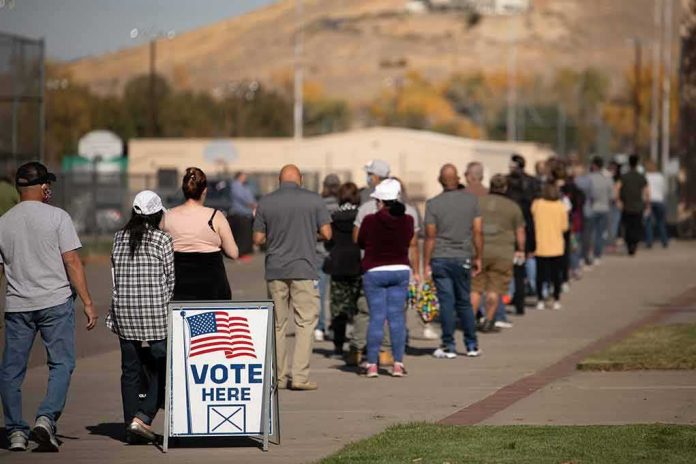
Obama’s Detroit stop will bring energy, cameras, and lines around the block. It may nudge early ballots and close an enthusiasm gap. It will not, by itself, fix El-Sayed’s gap with skeptical Black voters if the root issues remain. The rally is the spark. The ground game is the fire. If El-Sayed pairs Obama’s draw with real, specific commitments—and follows up fast—he can bank gains. If not, Detroit will cheer the headliner and vote its doubts.
Sources:
jpost.com, politico.com, newsweek.com, bridgemi.com, wesh.com, wdet.org, deadlinedetroit.com, listennotes.com, kellogg.northwestern.edu