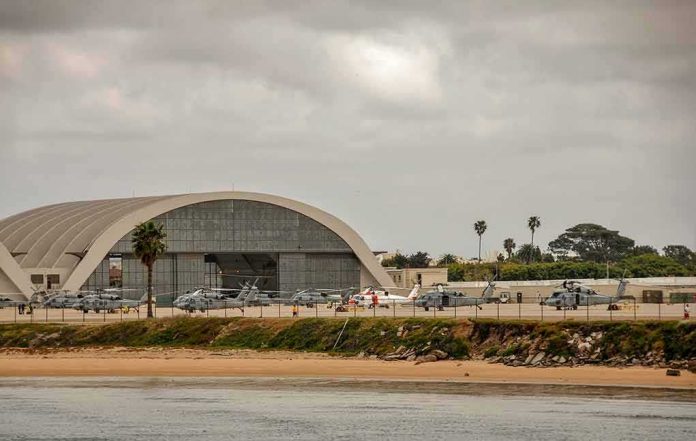
American refueling planes left a British base in hours after a reported Iran-linked threat, and that speed tells the story.
Story Snapshot
- U.S. refueling planes moved from RAF Mildenhall on November 9 after a threat alert.
- Two tankers diverted to Germany; several others dispersed across Europe.
- Flight-tracking showed a larger movement, including at least 10 tankers.
- Security levels rose to Force Protection Condition Charlie at two U.K. bases.
What moved, when it moved, and why it matters
United States air refueling tankers left Royal Air Force Mildenhall in eastern England on November 9, following a threat alert that U.S. officials linked to Iran in media accounts. Two aircraft diverted to Germany, and more tankers repositioned to Germany and other European locations that same day, according to multiple outlets citing U.S. officials. French press said flight data showed at least 10 tankers and three Osprey aircraft departing Mildenhall since early Monday, indicating a broader movement than first reported.
United States European Command did not publish the threat details. A U.S. military spokesperson said forces at Royal Air Force Mildenhall and nearby Royal Air Force Lakenheath “remain vigilant” and are taking “coordinated and appropriate actions” to protect service members, civilians, contractors, and families. That phrasing signals a force-protection posture, not a routine shuffle of jets. Rapid dispersal reduces risk if an adversary tries to target a known flight line or a high-value aircraft cluster.
Force-protection posture, not business as usual
U.S. reporting described both bases set at Force Protection Condition Charlie, a level used when an attack is likely. One U.S. official familiar with the matter confirmed that status to media, which aligns with a practical security response rather than a training move. The Air Force often rotates aircraft for many reasons, but a same-day dispersal after a threat alert, plus a public security message, points to a focused defensive step. Officials withheld specifics for operations security, which is standard in live threats.
The aircraft types also matter. Tankers like the KC-135 are the backbone of U.S. power projection. They keep fighters and bombers airborne and extend reach across oceans. They are slow, large, and irreplaceable in the short term. Spreading them across locations makes sense when adversaries field drones and missiles that can search for predictable targets. Fast dispersal shortens the window an attacker needs to stage, aim, and strike.
A pattern across British bases and a shift in strategy
The movement from Mildenhall follows a recent withdrawal of about a dozen B-1 bombers from Royal Air Force Fairford after a separate security incident that media linked to Iran. British authorities signaled high Iranian threat activity, while both governments kept operational details tight. This is not a one-off scare. It fits a larger shift away from packing aircraft at a few big, known bases and toward mobility and dispersal in the face of drones and precision weapons.
🇺🇸 US Military Aircraft Relocate from Britain Amid Reported Movements
Several US military aircraft have departed RAF Mildenhall in Suffolk, UK. According to The Wall Street Journal, two refuelling tankers diverted to Germany.#USMilitary #UK #Germany #MilitaryNews #WorldNews pic.twitter.com/cndOyAOSr8
— Monu Yugant (@monuyugant) November 10, 2026
That strategy values tempo and unpredictability. Adversaries study habits. They measure runway patterns, sortie rhythms, and parking spots. Moving aircraft across multiple airfields turns the map grainy and raises the cost of a clean strike. It also lets commanders keep flying missions while security teams hunt for the source of a threat. In plain terms, it trades a little near-term convenience for a lot of resilience.
What was said, what was shown, what we can judge
Media linked the alert to Iran through people familiar with the matter; official statements focused on security actions and avoided attribution. Reuters and others reported that two tankers diverted to Germany with several more moved across Europe, while flight-tracking suggested a larger flow, including Ospreys. Those strands do not clash; they reflect different windows into the same day—tactical diversions, broader dispersal, and a public note on base security.
On the merits, the actions match the facts that count. Threat alert. Dispersal of high-value aircraft. Elevated protection levels. Tight operational comments. That package lines up with common sense and with American conservative values on deterrence and readiness: protect people first, safeguard the mission, and do not telegraph plans to those who wish us harm. The exact intelligence can stay classified; the outcome speaks clearly enough.
What to watch next
Watch where the tankers settle in the coming weeks. A quick return to Mildenhall would suggest a temporary caution. A longer dispersal pattern would point to a sustained threat or a deeper shift in basing posture. Track whether Royal Air Force Lakenheath adjusts flight operations or base access. Compare any future moves with the Fairford timeline to see if the same trigger sets repeat. Each data point will sharpen the picture without risking security.
Sources:
redstate.com, bostonherald.com, afp.com, charlotteobserver.com, sunherald.com