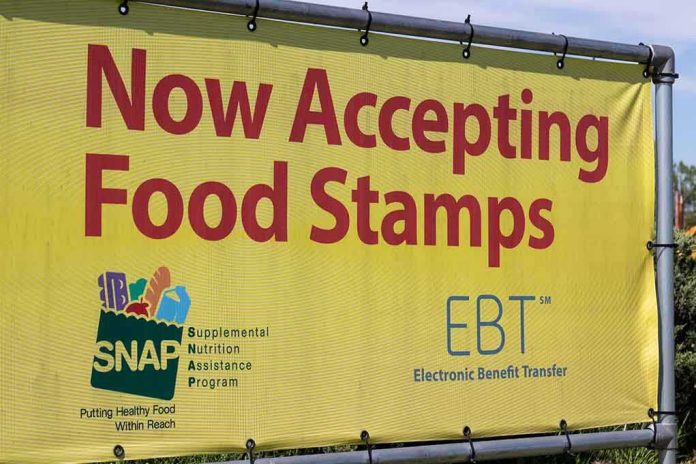
What happens when government shutdowns threaten the lifeline of millions relying on food assistance?
Story Overview
- A government shutdown was expected to cut off SNAP benefits, sparking concerns over food insecurity.
- Recent accounting changes now protect SNAP recipients from immediate impacts during a shutdown.
- Other federal nutrition programs like WIC may still face disruptions.
- Long-term uncertainties linger due to GAO concerns over USDA accounting practices.
Impact of Government Shutdown on SNAP Benefits
The 2025 fiscal year posed a threat of a government shutdown potentially cutting off SNAP (Supplemental Nutrition Assistance Program) benefits, which 42 million Americans depend on for food security. However, recent changes in accounting practices by the USDA provide a safeguard. By obligating the funds for the upcoming month’s benefits in the prior month, SNAP recipients are likely to receive their October 2025 payments even during a shutdown.
This shift in accounting effectively creates a buffer, ensuring continuity of benefits for the first month of a fiscal year despite funding lapses. This is a critical development as it addresses the immediate concerns of SNAP recipients and prevents a surge in demand at already strained food pantries.
Vulnerability of Other Nutrition Programs
While SNAP benefits are protected, other federal nutrition programs like WIC (Special Supplemental Nutrition Program for Women, Infants, and Children) and child nutrition initiatives may not fare as well. These programs are more susceptible to funding disruptions during a government shutdown, potentially leading to food insecurity for vulnerable populations reliant on their services.
The distinction between SNAP’s relative protection and the vulnerability of other programs highlights the need for a comprehensive approach to safeguarding all aspects of nutrition assistance during fiscal uncertainties.
Long lines have formed at food pantries across the U.S. as federal food benefits were cut off due to the government shutdown. https://t.co/tUAPqBARy2
— WKTV (@WKTV) November 3, 2025
Long-Term Concerns and Legal Challenges
The GAO (Government Accountability Office) raised concerns in February 2025 regarding USDA’s accounting practices, questioning their compliance with federal statutes. Legal experts remain divided on the implications, creating uncertainty about the sustainability of the current approach. Should legal challenges arise, future shutdowns could threaten SNAP’s ability to deliver uninterrupted benefits.
This situation underscores the importance of addressing legal ambiguities to ensure the long-term stability of SNAP and other federal nutrition programs. The USDA’s silence on these concerns adds to the uncertainty faced by recipients and administrators alike.
Potential Workforce Impacts and Political Dynamics
The Trump administration’s approach to government shutdowns, emphasizing permanent job reductions rather than temporary furloughs, could impact USDA’s capacity to administer SNAP effectively. This shift in shutdown management represents a significant departure from traditional practices and could affect program efficiency and service quality.
Politically, the use of permanent job loss threats as a bargaining tool in spending negotiations could have broader implications for federal workforce stability and government operations. This tactic reflects an escalation in shutdown strategies with potential long-term consequences for public sector employees and the services they provide.
Sources:
Food Research & Action Center (FRAC)