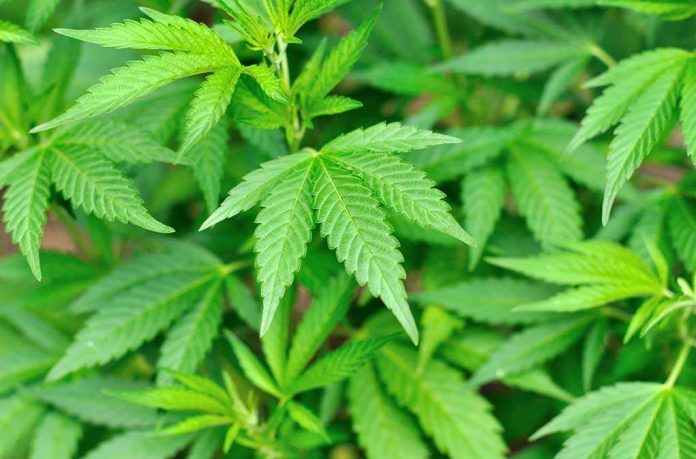
Cannabis companies are turning America’s biggest sobriety challenge into their most profitable marketing opportunity, with nearly one in six Dry January participants reaching for THC-infused beverages instead of alcohol.
Story Highlights
- 17% of Dry January participants choose cannabis beverages over alcohol, driving consistent year-over-year sales increases
- Cannabis beverage brands report 18-30% January sales spikes, with some companies seeing sustained growth throughout the year
- Major cannabis companies launch targeted “Dry January” promotions positioning THC as a healthier alternative to alcohol
- Industry data shows cannabis substitution offers psychoactive effects unlike non-alcoholic alternatives, appealing to consumers seeking moderation without complete sobriety
The January Gold Rush Cannabis Companies Won’t Talk About
Every January, millions of Americans pledge to give up alcohol for 31 days. Cannabis companies have quietly turned this annual tradition into their most reliable revenue booster. LeafLink data reveals cannabis beverage sales jumped 24.8% in 2023, 7.4% in 2024, and 5.4% in 2025 during Dry January periods. The pattern repeats with mechanical precision, suggesting cannabis marketers have cracked the code on converting temporary sobriety into permanent customers.
The timing isn’t coincidental. Major brands like Crescent Canna roll out $10-off deals, Wynk pushes 36-can bundles, and Tilray launches campaigns with taglines like “No Drinks doesn’t mean no drinks.” These aren’t subtle hints—they’re direct appeals to consumers seeking the social rituals of drinking without alcohol’s downsides.
Why Cannabis Beats Non-Alcoholic Beer Every Time
Traditional Dry January alternatives like non-alcoholic beer face a fundamental problem: they offer the taste without the experience. Cannabis beverages solve this equation differently. James Stephens, co-founder of Sinful, frames the appeal bluntly: THC provides relaxation and social lubrication without alcohol’s “toxic burden.” This positioning explains why cannabis matches non-alcoholic options at 17% substitution rates despite higher costs and legal complexities.
The distinction matters more than industry observers initially recognized. Athletic Brewing and similar non-alcoholic brands compete on taste and tradition. Cannabis companies compete on effect and wellness positioning. Ryan Evans from Shift Naturals notes the cultural shift toward non-judgmental curiosity about cannabis, creating adoption pipelines that extend far beyond January.
The Moderation Economy Cannabis Built
Dry January participation hits all-time highs in 2026, but roughly 33% of participants quit by “Quitters’ Day” on January 11th. Cannabis companies target both groups—committed participants seeking alternatives and early dropouts wanting moderation tools. This dual approach transforms a month-long abstinence challenge into a year-round customer acquisition strategy.
Blair MacNeil, Tilray’s Canada president, captures the industry’s reframing perfectly: it’s about “choosing better,” not abstaining completely. This messaging resonates with consumers embracing “Damp January” moderation over strict sobriety. Brands like Levia report 30% January sales lifts, while Elevated Roots sees 27% increases, suggesting sustainable demand beyond seasonal spikes.
Federal Loopholes Create Nationwide Opportunities
The 2018 Farm Bill’s hemp provisions created unexpected advantages for cannabis beverage companies. Federally legal hemp-derived THC products sidestep state-by-state legalization complexities, enabling nationwide marketing during Dry January. Companies like Zamnesia and Dad Grass promote low-dose, mindful consumption that appeals to wellness-conscious consumers in prohibition states.
This legal framework distinguishes cannabis from traditional alcohol alternatives in crucial ways. While non-alcoholic beer requires no regulatory navigation, it also offers no psychoactive benefits. Hemp-derived cannabis beverages thread the needle—legal accessibility with desired effects. Sean O’Toole from LeafLink describes this as “seasonal influence reshaping cannabis,” but the implications extend beyond January sales bumps toward mainstream acceptance.
Sources:
Nearly 1 in 6 Dry January Participants Will Consume Cannabis Beverages Instead
Beverage Brands Update Dry January Marketing Based on Changing Consumer Habits
What Happens When Dry January Goes Cannabis
Dry January Goes Green: How Federally Legal Cannabis is Replacing Alcohol
Transform Dry January Interest in THC Drinks Into Year Round Demand