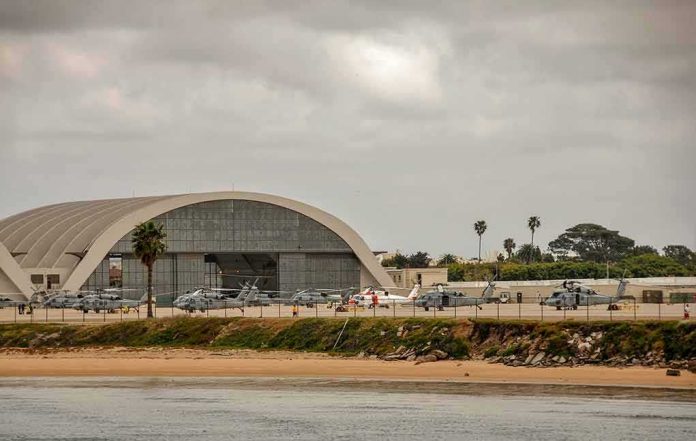
A U.S. Air Force base on Okinawa just cut off booze and locked down its youngest troops after a Japanese woman was killed.
Quick Take
- Kadena Air Base banned alcohol for junior enlisted airmen, ranks E-1 through E-4, starting October 22.
- An earlier curfew now keeps those troops off base from 10 p.m. to 5 a.m.
- The order followed the arrest of a Marine accused of killing an Okinawan woman in Naha.
- The restrictions run through November 8, matching a 30-day “Period of Reflection” ordered earlier in October.
What The Order Actually Says
Brigadier General John B. Gallemore signed the memo on October 22. It’s titled “Curtailment of Liberty and the Consumption of Alcohol.” The order bans drinking by E-1 through E-4 troops, cuts off-base liberty to the overnight hours, and bars alcohol in Kadena dormitories entirely. Commanders also got the green light to run surprise health-and-welfare checks on dorm rooms, covering everything from compliance to basic sanitation.
The rules aren’t open-ended. They were set to expire November 8, the end of a 30-day window Lieutenant General Benjamin Watson had already ordered back on October 8. That timing matters. It frames this as an emergency clampdown, not a permanent policy shift, and it mirrors how the military has handled similar crises on Okinawa before.
The Case That Triggered It
Lance Corporal Devan Jacob Ballard, 20, was arrested in Naha in connection with the killing of an Okinawan woman. Japanese prosecutors have since indicted him on charges tied to robbery and murder. The case remains an allegation at this stage, not a conviction, and that distinction matters as it moves through Japan’s courts. Still, the arrest alone was enough to trigger sweeping restrictions across the base population.
Reporting ties the base-wide lockdown directly to this single case. Outlets covering the story, including Stars and Stripes and Military Times, frame the curfew and alcohol ban as a direct response to the arrest. That connection is now locked into the public narrative around Kadena, whether or not investigators ultimately find alcohol played any role in what happened.
Gate Street Goes Quiet
The human cost shows up fastest in the bars and restaurants outside the base gates. RBC News found Gate Street nearly empty after the restrictions took hold. One restaurant employee said foreign customers, mostly U.S. troops, normally made up about 30 percent of business. That worker called the shutdown unprecedented but still said it mattered for preventing further trouble, a view that captures the uneasy trade-off locals are making right now.
Kadena Implements Curfew, Alcohol Restrictions for Junior Troops After Japanese Civilian Dies
Brig. Gen. John B. Gallemore, commander of the 18th Wing at Kadena, issued the Oct. 22 memo, ordering the “Curtailment of Liberty and the Consumption of Alcohol,” according to a memo… pic.twitter.com/VFFSx0S11u
— Armed Forces Press (@AFP_press) October 24, 2026
This isn’t Okinawa’s first rodeo with lockdowns like this. Back in 2017, a Marine’s drunk driving crash killed a civilian and triggered a base-wide confinement order along with a full alcohol ban, on and off base. Those restrictions lifted in stages that December. The playbook looks familiar: a serious incident, a fast and visible clampdown, then a gradual return to normal once tensions ease.
Why Junior Troops Carry The Weight
The order targets rank, not individual conduct. Every E-1 through E-4 service member falls under the ban, regardless of personal record. Older restrictions in 2005 drew similar pushback, with one business representative calling the curfew a temporary fix while a military spokesman admitted flatly that punishing everybody isn’t fair. That tension between collective risk management and individual fairness hasn’t gone away in twenty years.
Conservative readers will recognize the logic even if they question the execution. Commanders face real pressure from Japanese officials and the public after a death tied to American personnel. A visible, fast response signals accountability. But rank-based blanket bans sweep up plenty of disciplined young troops who had nothing to do with the incident, and that’s a cost leadership owes its people an honest accounting of.
What Comes Next
The restrictions are due to lift November 8 unless commanders extend them. Whether the curfew actually reduces incidents, or just reduces foot traffic on Gate Street, is something nobody has published numbers on yet. Past Okinawa lockdowns suggest the base returns to normal operations fairly quickly once the “reflection period” ends, regardless of how the underlying criminal case resolves in Japanese courts.
Sources:
airforcetimes.com, upi.com, militarytimes.com, airandspaceforces.com, stripes.com, commondef.com