A Pennsylvania man’s home became a grotesque warehouse for over 100 human skulls and body parts, exposing a shocking multi-state trafficking network that desecrated both sacred graves and medical donations meant to advance science.
Story Highlights
- Over 100 human skulls discovered in Pennsylvania man’s residence during investigation
- Suspect charged with desecrating cemeteries and trafficking stolen remains
- Case linked to Harvard Medical School body parts scandal and interstate criminal network
- Families of deceased victims face betrayal of trust in donation and burial systems
Macabre Discovery Shocks Law Enforcement
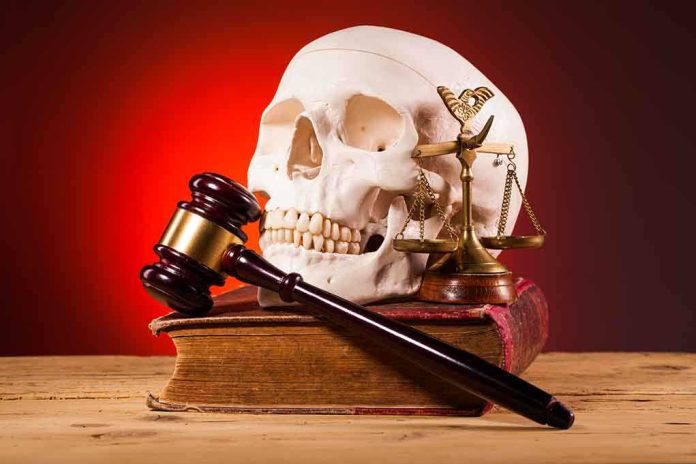
Law enforcement officers executing a search warrant at a Pennsylvania residence uncovered more than 100 human skulls alongside spines, femurs, and preserved organs, some grotesquely displayed as home décor. The defendant allegedly acquired these remains through two disturbing methods: purchasing stolen body parts from co-conspirators connected to Harvard Medical School’s cadaver program and personally desecrating local cemeteries by removing remains from graves. This unprecedented scale of human remains possession represents one of the largest such cases in recent memory.
The investigation began when federal authorities started unraveling a multi-state trafficking network involving individuals in Massachusetts, Arkansas, Pennsylvania, and other states who allegedly stole and sold donated cadavers. Pennsylvania criminal law specifically addresses such violations under institutional vandalism statutes, making desecration of cemeteries a third-degree felony when involving significant monetary loss or desecration that would outrage ordinary family sensibilities. The suspect faces charges including abuse of a corpse, receiving stolen property, and institutional vandalism under Pennsylvania’s comprehensive legal framework protecting burial grounds.
Sacred Trust Violated at Multiple Levels
The case exposes fundamental failures in protecting both donated bodies intended for medical education and traditional burial sites. Harvard Medical School’s Anatomical Gift Program became unwittingly central to this scandal when a morgue manager and associates allegedly diverted donated remains into illegal markets rather than treating them with scientific respect. Families who made the generous decision to donate loved ones’ bodies for medical advancement now face the horrifying reality that their trust was betrayed for profit.
Historic and abandoned cemeteries, particularly in rural Pennsylvania, proved vulnerable to systematic exploitation due to limited security and underfunded oversight. Pennsylvania’s legal framework governing burial grounds recognizes cemeteries as quasi-sacred spaces requiring protection, yet enforcement gaps allowed prolonged desecration. The growth of online “osteology” communities created demand for real human bones marketed as medical specimens or collectibles, providing financial incentives for this grotesque trade.
Systemic Reforms Needed to Prevent Future Violations
This case highlights critical weaknesses in oversight systems that allowed such extensive violations to occur over years. Medical schools and anatomical gift programs across the nation must implement robust chain-of-custody requirements, secure storage protocols, and regular audits to prevent diversion of donated remains. The trust between families and institutions depends on ironclad safeguards that honor the sacred nature of body donation for scientific advancement.
Pennsylvania lawmakers should strengthen protections for historic cemeteries and unmarked graves, areas previously identified as under-regulated in state assessments. Enhanced penalties for desecration, improved registration requirements for cemetery operators, and funding for surveillance systems could deter future violations. The federal government must also address interstate trafficking in human remains through specialized enforcement units capable of investigating digital marketplaces where such trades occur.
The defendant and co-conspirators face significant felony penalties including substantial prison time, but the damage to institutional trust and family peace extends far beyond individual accountability. Religious communities and cultural groups that place high value on funerary respect deserve assurance that both traditional burial and body donation will receive proper protection. This case serves as a wake-up call that sacred responsibilities toward the deceased require vigilant enforcement and respect for fundamental human dignity.
Sources:
Pennsylvania Consolidated Statutes – Title 18 Chapter 33 Section 3307
Pennsylvania Consolidated Statutes – Title 9 Burial Grounds
Historic and Archaeological Human Remains Report 2021