A nearly blind Rohingya refugee who spoke no English died five days after Border Patrol dropped him off at a closed doughnut shop on a freezing Buffalo night, five miles from his family’s home—raising alarming questions about federal agencies’ disregard for the safety of vulnerable individuals in their custody.
Story Overview
- Nurul Amin Shah Alam, 56, found dead February 24, 2026, after Border Patrol released him at a shuttered Tim Hortons around 8 p.m. on February 19 in harsh winter conditions
- Shah Alam was nearly blind, spoke no English, and had been jailed for a year after police misidentified his walking stick curtain rods as weapons
- Border Patrol claims they provided a “courtesy ride” to a safe location, yet surveillance shows him wandering alone in jail booties into the cold night
- His family and attorney were never notified of his release location, and he was found dead downtown five days later with the medical examiner ruling the death “health related”
Vulnerable Refugee Abandoned in Winter Cold
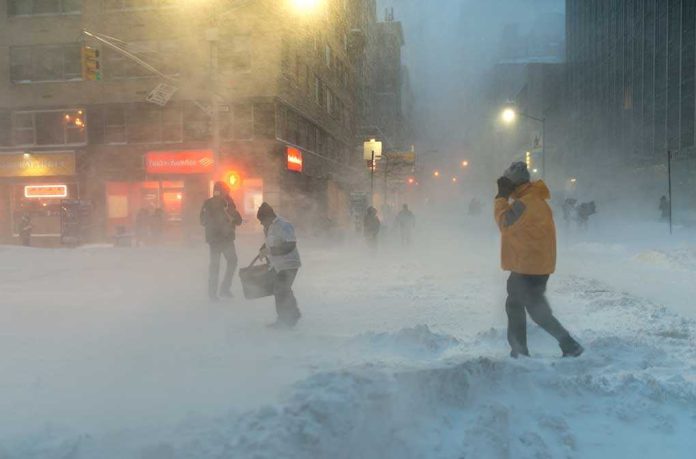
Nurul Amin Shah Alam was released from Erie County Holding Center on February 19, 2026, after posting bail on misdemeanor trespassing and weapon possession charges stemming from a February 2025 arrest. The weapon in question was a curtain rod he used as a walking stick due to near-blindness. Border Patrol agents took custody pursuant to an immigration detainer and drove him to a closed Tim Hortons on Niagara Street in Buffalo’s Black Rock neighborhood around 8 p.m., approximately five miles from his family’s Broadway-Fillmore home. Surveillance footage captured him walking away alone into the February night wearing only jail-issued booties and a hood.
Year-Long Detention Following Violent Arrest
Shah Alam’s ordeal began on February 15, 2025, when he mistakenly wandered into a snowy backyard while walking his neighborhood. Police responded to a call and issued commands the Rohingya refugee could not understand due to his language barrier and disability. Officers tased and beat him during the encounter, charging him with assault, trespassing, and weapon possession. His family delayed posting bail for nearly a year, fearing Immigration and Customs Enforcement would transfer him out of state—a legitimate concern for refugees facing potential deportation. Body-camera footage of the violent 2025 arrest was released February 26, 2026, revealing the brutal treatment of a disabled man who posed no genuine threat.
Federal Agency’s “Courtesy Ride” Leads to Death
Border Patrol spokespersons defended the February 19 release, claiming agents offered Shah Alam a ride to a “warm, safe location” near a prior family address where he showed no signs of distress. This explanation contradicts the facts: the closed Tim Hortons was five miles from his current family residence, and dropping a nearly blind, non-English-speaking man at a shuttered business at night in winter hardly constitutes safety. His attorney, Benjamin Macaluso of the Legal Aid Bureau, expected Shah Alam would be taken to ICE’s Batavia facility and was never notified of the actual drop-off point. The family filed a missing persons report on February 22 after frantic searching. His body was discovered on Perry Street near the Buffalo Sabres’ arena on February 24.
Accountability Questions and Community Impact
Buffalo Police homicide detectives are investigating Shah Alam’s movements between his release and death, reviewing citywide surveillance footage to trace his path. The Erie County Medical Examiner ruled the death “health related,” excluding exposure or homicide, though details remain withheld. Imran Fazel, a Rohingya community advocate who knew the family, expressed devastation and stated the incident “doesn’t make me feel safe.” This tragedy exposes glaring failures in Border Patrol protocols when handling vulnerable individuals with disabilities and language barriers. Federal agencies wield unchecked authority over local releases, leaving families and attorneys powerless once custody transfers. Shah Alam’s death underscores the urgent need for accountability and reform in immigration enforcement practices that prioritize bureaucratic convenience over human dignity and safety.
The case highlights broader tensions between federal immigration enforcement and local communities, particularly in cities like Buffalo with growing refugee populations fleeing persecution. Shah Alam was part of the Rohingya minority from Myanmar, an ethnic Muslim group facing genocide and mass displacement. His funeral was held February 27, 2026, as advocates demanded answers about how a disabled refugee could be abandoned in freezing conditions without any communication to those responsible for his welfare. The contrast between Border Patrol’s sanitized “courtesy ride” narrative and the grim reality captured on video reveals a troubling disconnect that cost this vulnerable man his life.
Sources:
Blind refugee abandoned by Border Patrol is dead – Investigative Post
Video shows nearly blind refugee being released by Border Patrol 5 days before his death – KSAT
Nurul Amin Shah Alam – Democracy Now