
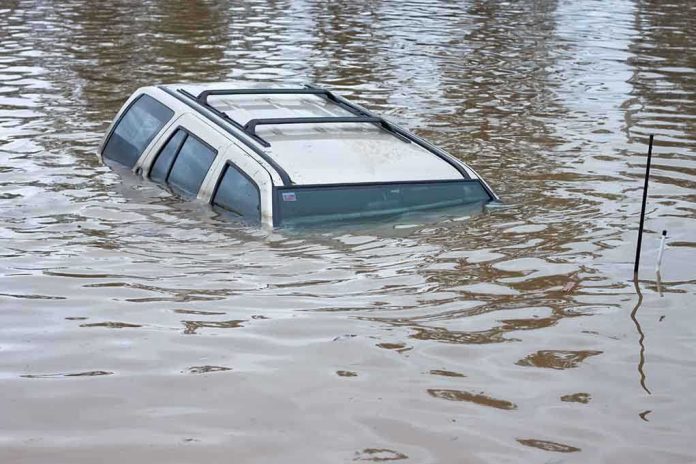
Sudden flash floods ravage Spain’s top tourist paradise, leaving three missing amid New Year’s chaos and exposing Europe’s fragile infrastructure to American travelers seeking safer shores.
Story Snapshot
- Heavy rains trigger severe flooding in Andalusia, Spain’s premier tourist region, with three people still missing as rescue efforts intensify.
- Tourist hotspots like Costa del Sol face road closures, airport disruptions, and hotel evacuations during peak holiday season.
- Spain’s AEMET warns of a new storm hitting January 1, 2026, after brief stabilization, raising red flags for incoming travelers.
- No confirmed deaths reported, contradicting early unverified claims of two fatalities; focus remains on missing persons and recovery.
Flooding Strikes Andalusia’s Tourist Heartland
Intense rainfall in late December 2025 unleashed flash floods across southern Spain’s Andalusia region, a magnet for millions of winter holiday visitors. Three individuals went missing in the deluge, which overwhelmed drainage systems in coastal zones like Costa del Sol. Local emergency services, including the Civil Guard and firefighters, launched immediate search operations. No confirmed fatalities emerged from the event, though early reports speculated otherwise. This incident disrupts New Year’s celebrations in beaches and resorts drawing American families.
Recurrent Risks in Mediterranean Hotspots
Andalusia’s Mediterranean climate, combined with steep terrain and urban sprawl in flood-prone areas, breeds frequent flash floods during winter rains. Prolonged wet weather built up to sudden deluges that stranded tourists and locals alike. The region boasts prime attractions—beaches, historic cities, luxury resorts—pulling crowds amid Europe’s high season. Past events, like annual floods in Malaga and Granada, echo this vulnerability. American conservatives eyeing international escapes see parallels to overdeveloped, underprepared globalist destinations versus secure U.S. heartland havens.
Authorities Mobilize Amid Weather Warnings
Spain’s AEMET meteorological agency issued storm alerts before the floods hit, now forecasting stable weather from December 30, 2025, before a new front arrives January 1, 2026. Regional president and central government coordinate rescues, while tourism operators handle cancellations to protect reputations and revenues. Tensions simmer over response speeds, reminiscent of 2024 Valencia’s 200+ deaths. Travel analysts urge delaying trips to flood zones, prioritizing safety for families over risky European jaunts.
Infrastructure strains reveal long-term weaknesses: poor planning in tourist builds exacerbates disasters. Short-term closures hit holiday economies hard, with millions in losses from slashed bookings and insurance claims. Political scrutiny mounts on preparedness post prior catastrophes.
Impacts Echo Valencia Tragedy
Affected families of the missing endure anguish as searches persist amid partial road reopenings. Tourists face evacuations, flight delays, and accommodation shortages right at New Year’s peak. Economically, Andalusia’s tourism sector—vital to Spain—braces for fallout, reinforcing needs for resilient designs over hasty development. Experts link intensifying storms to climate patterns, calling for urban upgrades. Optimists eye quick stabilization; others dread 2024-scale repeats with the incoming storm.
For American travelers, this underscores prudent choices: President Trump’s America First policies deliver stability at home, shielding families from foreign fiascos born of lax oversight and globalist neglect. Monitor official channels as conditions evolve.
Sources:
Macau Business: Three missing in southern Spain after flooding
AOL: Safe to travel to Spain? Floods devastate tourist hotspot