The U.S. Army set a firing-squad execution for Nidal Hasan and Pentagon leaders signaled the nation could watch it live.
Story Snapshot
- The Army scheduled Hasan’s execution for December 3 at Fort Hood at 1 p.m. local time.
- Pentagon and Defense leaders said the execution would be livestreamed to the public.
- Major outlets reported the same plan; the platform and mechanics remain undisclosed.
- Vice President JD Vance voiced doubts about the livestream going forward.
What Is Official: The Date, The Place, The Method
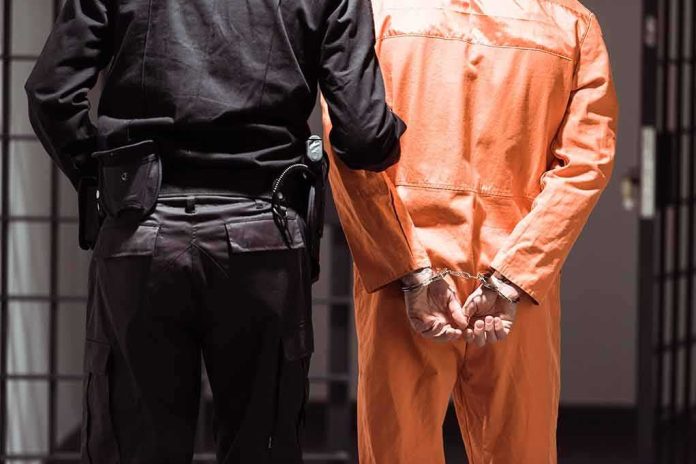
The United States Army announced an execution date for Nidal Hasan, the convicted Fort Hood murderer. Acting Secretary of the Army Adam Telle directed the execution and set it for December 3, 2026, at 1 p.m. Central Time at Fort Hood, Texas. The announcement locked in the method: a firing squad. The Army’s order establishes what matters most for planning and oversight. The courts can still pause it, but the branch with custody put the schedule in writing.
Defense leaders then stepped into new territory. A Pentagon official told national media the execution “will be livestreamed.” Defense Secretary Pete Hegseth added that people would be able to watch because “there’s serious consequences for these types of things”. Multiple outlets matched those details. They cited Defense officials, not anonymous activists. That distinction matters. It signals a policy decision, not a rumor. It also raises the next question: how to do it lawfully and well.
What Is Still Fluid: How, Where, And Who Can Watch
Reporters pressed the obvious follow-ups. The Defense Department did not name a platform or a technical plan. Coverage said the stream would happen but did not identify a host or a feed. That gap leaves room for change, and it invites legal and policy review before launch. The Army’s schedule is firm on paper; the broadcast plan is a stated intent. That difference explains why some officials left daylight between the idea and a final green light.
Vice President JD Vance added a public note of caution. He said he did not know that a livestream would actually happen. That is not a denial of the Army’s order or of what Defense leaders said. It is a reminder that practical and legal hurdles can still block a feed. The public saw that split-screen: an execution on the calendar and a broadcast plan that may tighten, limit, or pause.
What The Public Should Weigh: Justice, Deterrence, And Dignity
Supporters argue that an open feed shows moral clarity. They say murder has consequences and the public should see the government carry out a lawful sentence. They also point to deterrence. A visible penalty, they argue, warns would-be killers who wear a uniform or target troops. That stance aligns with a basic conservative view: punish evil, protect the innocent, and let citizens see their government act. Hegseth’s “people need to understand” line captures that case in plain terms.
President Donald Trump on Saturday said he hasn’t yet made a final decision on whether to livestream the execution of former Army Maj. Nidal Hasan, who in 2009 killed 13 people at Fort Hood in Texas. https://t.co/MieGZbxKkk
— NBC4 Washington (@nbcwashington) October 10, 2026
Critics warn that a stream risks turning justice into a spectacle. They fear copycats, desensitization, and diplomatic costs. They ask whether military rules or long-held norms bar such broadcasts. Their question is not about the sentence itself but about its public display. Major newsrooms noted that the last era of public executions ended for a reason, and they pressed on the absence of a named platform and signed broadcast policy. Those are fair asks before any camera goes live.
The Bottom Line: What To Expect Next
Here is the scoreboard. The Army set the execution for December 3 at 1 p.m. at Fort Hood. Pentagon and Defense leaders publicly said the execution would be livestreamed. National outlets repeated those points and flagged missing details about the platform and access. The Vice President voiced doubts about the stream, which signals ongoing review rather than a reversal. Courts, policy shops, and platform rules could still shape the final form or timing.
Sources:
twitchy.com, army.mil, abcnews.com, nbcnews.com, cnn.com, cbsnews.com