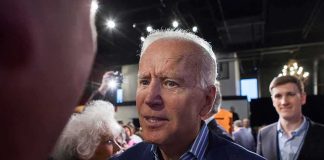
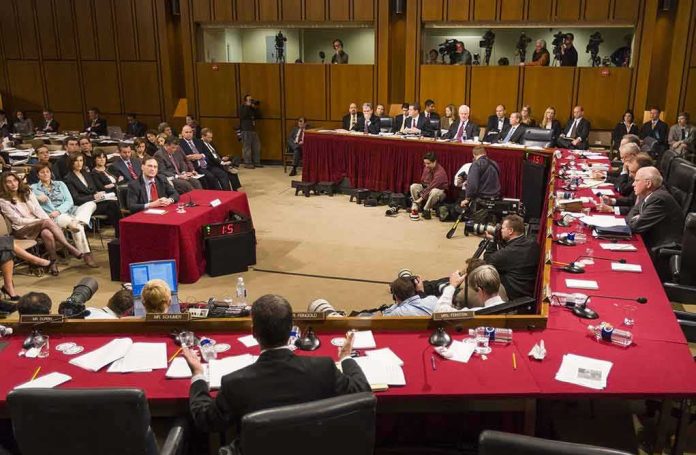
The White House drew a hard line, warning House Democrats that some oversight plans could be crimes if they abandon a real legislative purpose.
Story Snapshot
- White House counsel Will Scharf warned Democrats against abusive subpoenas and threats.
- Representative Robert Garcia said Congress does not need White House permission to investigate.
- Supreme Court rulings require a legitimate legislative purpose for subpoenas.
- Both branches are preparing for a high-stakes separation-of-powers clash.
White House Letter Sets A Constitutional Tripwire
White House counsel Will Scharf sent Representative Robert Garcia a blunt letter. He said promised investigations risk “blatant criminality” if they use threats, lack legislative purpose, or target officials to scare them from service. He framed lawful oversight as narrow: facts sought must tie to real lawmaking. He labeled talk of mass, indiscriminate subpoenas as abuse. The point was not subtle. The administration will treat process misuse as potential crimes and will not just push back in court.
That signal matters because process is power in Washington. Subpoenas can compel testimony, expose internal emails, and drain time. Scharf warned that power is not a toy. He argued Congress cannot turn oversight into law enforcement or political punishment. That standard tracks Supreme Court guidance: Congress needs a legitimate legislative purpose and cannot use subpoenas to run a parallel prosecution. The message: write the purpose, show the fit, drop the grandstanding, and the fight looks different.
Garcia Rejects Permission Slips And Claims Intimidation
Representative Garcia answered with a constitutional chest-thump. He said Article I grants Congress broad power to investigate and legislate, and it does not flow from White House consent. He argued oversight is inherent to making laws, so talk of “criminality” sounds like an effort to chill lawmakers. He even suggested the warning hints that President Trump has something to hide, a political jab that plays well on cable but does not define the legal line. Expect that line to be drawn later—in letters, rules, and court filings.
Garcia’s framing reflects a real tradition. Courts give committees wide room when they tie inquiries to bills, budgets, or administration of laws. But “wide” is not “limitless.” The Supreme Court stressed that probes touching a president demand careful tailoring. Judges ask whether the stated purpose is real, whether the scope fits, and whether Congress can get the same facts another way with less executive burden. That pushes both sides to put their cards on the table early.
The Real Boundary: Purpose, Scope, Process
Past fights show three checkpoints decide these brawls. First, stated purpose must link to legislation, not score-settling. Vague claims crumble; concrete plans hold. Second, scope must match that purpose. Fishing trips fail where focused requests survive. Third, process must respect privileges and avoid threats. Talk about “blanket subpoenas” and “making people sweat” undercuts credibility and invites court losses and political blowback. Craft matters more than volume when the target sits in the West Wing.
Common sense conservative governance lines up with this. Oversight should keep agencies honest, not become a campaign weapon. If Democrats run a disciplined record on purpose, scope, and process, they will force compliance and earn wins. If they chase headlines, the White House will hang them on Mazars factors and accuse them of harassment. Voters older than 40 know this rhythm: when Washington yells, judges listen for verbs and numbers, not slogans. Clarity breaks stalemates.
What Happens Next If Both Sides Dig In
Staff will now trade letters, narrow requests, and argue privilege. House lawyers will draft memos that tie each inquiry to a bill or oversight hearing plan. White House lawyers will demand specificity and timing, and they will offer alternatives like briefings over documents. If talks fail, courts will apply the “legitimate legislative purpose” test and weigh burdens unique to a sitting president. The side with cleaner paperwork usually wins these trench fights. The side that rants usually loses.
WHEN OVERSIGHT BECOMES A CRIME, ACCOUNTABILITY IS UNDER ATTACK
Is the White House attempting to intimidate Congress before investigations even begin?
Source: The New Republic, November 11, 2026 [https://t.co/WxdGYmJG4f]
The White House has warned incoming Democratic House…
— Ashok Dadhwal (@ashokdadhwal196) November 11, 2026
There is also a quiet risk for lawmakers. The Speech or Debate Clause protects core legislative acts, but it does not bless threats, doxing, or misuse of process. That is why Scharf highlighted “threats” and “indiscriminate” talk. Whether one agrees with his tone or not, that warning pushes committees toward discipline, which is healthy. The White House owns prosecution power, but Congress owns sunlight. If both follow the Constitution’s lanes, the public gets truth without a circus.
Sources:
cbsnews.com, latimes.com, forbes.com, congress.gov