
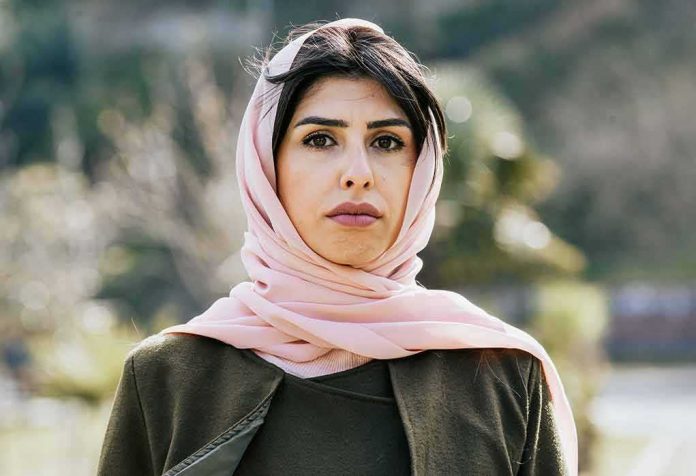
Iran executed Marzieh Nieri after a court rejected her claim that she acted to stop a sexual assault.
Quick Take
- Marzieh Nieri was executed at Qazvin Central Prison after her self-defense claim was rejected.
- Reports say the fatal incident happened in October 2021, when she was 18.
- At trial, she said a business partner of her husband tried to assault her.
- Rights groups said she had been forced into marriage as a teenager and was later sentenced under retribution law.
The Execution and the Case Against Her
Iranian authorities carried out Marzieh Nieri’s execution at Qazvin Central Prison, ending a case that had drawn attention because she said she fought back during a sexual assault attempt. Reporting said the court rejected her version of events and treated the killing as murder under Iran’s retribution system, known as qisas.
According to Euronews, Nieri told the court that one of her husband’s business partners tried to assault her after drinking, and that she wounded him with a kitchen knife during the struggle. The same report said her husband also died in the confrontation, and that she turned herself in four days later after going to her brother’s home.
Why the Case Resonated Beyond One Prison Cell
This case fits a pattern seen in other Iranian executions tied to disputed violence inside homes. A self-defense claim can collide with a legal process that gives heavy weight to the victim’s family, especially when they seek qisas, or retribution in kind. That structure turns a personal crisis into a capital case, and it leaves little room for mercy once judges reject the defense.
Rights reporting described Nieri as a victim of child marriage and said she was forced into marriage at 17. Euronews said the incident that led to her execution happened in October 2021, when she was 18, which places the case in the middle of her late teens and early adulthood. That age detail matters because it sharpens the sense of how young she was when the events unfolded.
What Supporters Say Happened
Supporters say Nieri was not executed for cold-blooded murder, but for defending herself in a violent situation she did not choose. Their account says she faced assault, used the knife she had at hand, and then lost the legal battle over whether her response was justified. Iranian and exile rights groups presented her case as part of a larger pattern of abuse, coercion, and harsh punishment.
🚨 IRAN EXECUTES WOMAN WHO SAID SHE FOUGHT OFF SEXUAL ASSAULT.https://t.co/1VcVOecU5Z
Marzieh Nieri said the fatal confrontation began when one of her husband’s business associates attempted to assault her.
She reportedly entered a forced marriage at 17. At 18, she reached…
— Taylor Tailored (@TayTailore) August 11, 2026
That broader pattern is why the case traveled far beyond Iran’s prisons and courtrooms. The public reaction centered on a hard moral contrast: a young woman described as trapped in an early marriage, confronting sexual violence, and then killed by the state after a court refused her self-defense claim. Even without official comment, the reporting left little doubt about the facts that triggered outrage.
Sources:
thegatewaypundit.com, euronews.com, es.euronews.com, index.hr, ir.voanews.com