A comedian turned a protest into a punchline—and then made the punchline the headline.
Story Snapshot
- Protesters disrupted Jerry Seinfeld’s Chicago Theatre show with accusations about Gaza and U.S. funding.
- Seinfeld mocked the claims on stage and said he would send the heckler’s ticket money to Israel.
- Clips of the clash went viral, shifting attention to his response and the protesters’ tactics.
- Organizers linked to local groups said they aimed to confront defenders of alleged Israeli abuses.
The On-Stage Clash That Traveled Far Beyond The Stage
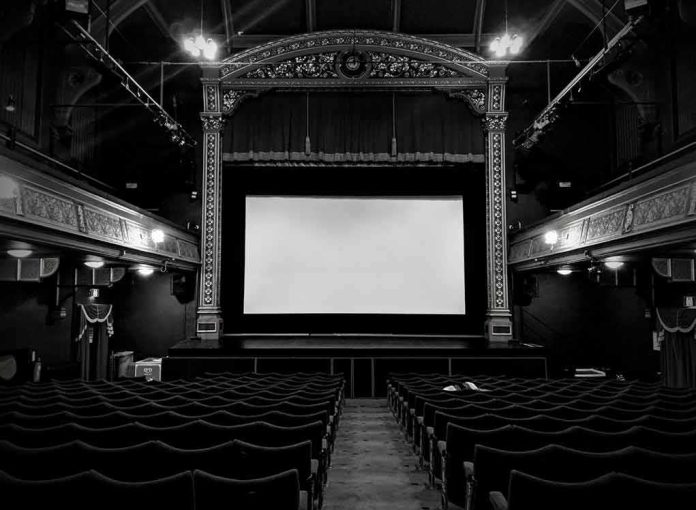
Jerry Seinfeld’s set at the Chicago Theatre did not just get heckled; it got hijacked on camera. Protesters shouted that Israel was committing genocide and that American taxpayers funded mass Palestinian deaths. One claimed tens of thousands of children had been killed. Seinfeld answered with barbed sarcasm and a vow to donate the heckler’s ticket cost to Israel. Security removed the disruptors as phones recorded the scene that would fuel the news cycle.
Video of the exchange spread fast and wide. Clips highlighted Seinfeld’s quip—“I’m sending it to Israel”—and his mockery of labels like “racist” and “genocide.” The most shared moments framed him as calm and cutting while protesters were escorted out. That framing mattered. Viral attention tends to latch onto the clearest character in the scene, and a polished headliner with a mic beats a scattered chorus from the balcony almost every time.
Who Organized The Disruption And Why It Landed Here
Coverage tied the action to local groups that oppose what they describe as Israeli abuses. Reports say they targeted Seinfeld because he has supported Israel since October 7, 2023, visited the country, and met hostage families. The Chicago show offered a bright spotlight and a guaranteed crowd. That puts the protest in a pattern: buy tickets, seize the moment, and trade goodwill in the room for reach on the internet.
The protest message centered on deaths in Gaza and a claim that U.S. tax dollars paid for them. The numbers were shouted, not sourced, during the show. No documents were presented linking American funds to specific incidents. A ticketed comedy set is a weak venue for evidence, and the footage shows slogans, not citations. That gave Seinfeld an easy rhetorical lane: ridicule the charge, flip the money line, and watch the crowd take his side.
Seinfeld’s Record, His Rhetoric, And The Conservative Read
Seinfeld’s public stance explains why activists picked him. He has spoken up for Israel, introduced an Israeli hostage at a campus event, and said the “Free Palestine” slogan reads as open hostility toward Jews. He even compared that rhetoric to the Ku Klux Klan’s blunt hate in order to argue that masked bigotry is worse than admitted bigotry. You can dislike his comparison and still see the logic: name the animus; do not excuse it.
On stage in Chicago, he mocked being called genocidal and racist. That sarcasm framed the claims as absurd, not debated facts. It also cast the protest as an attack on his paying audience’s night out. To many Americans, that rings true. Free speech does not mean stealing the mic others paid to hear. Common sense, and conservative values in particular, draw a line between persuasion and disruption that punishes the latter in civil life.
Did The Protest Work Or Backfire?
The tactic earned attention but lost the room. That is the activist’s trade. Research on disruptive protest shows a lift in salience but a dip in sympathy. The Chicago footage proves the first part; the crowd’s reaction suggests the second. Seinfeld’s taunt about sending ticket cash to Israel turned the intervention into a boomerang: the more they shouted, the more he framed their purchase as support for a cause they oppose. As political theater, that is a clean reversal.
Jerry Seinfeld mocked anti-Israel agitators after they tried to hijack his Chicago show.
The disruption at the Chicago Theatre Friday came after activists shouted “genocide” accusations, and the Anti-War Committee Chicago said it organized the protest.https://t.co/SmddTGUOBt…
— Billy_Sitches (@Billy_Sitches) October 16, 2026
Protesters did force Gaza into a fresh headline. Yet headlines carried Seinfeld’s voice more than theirs. Organizers chose a venue that rewards quick wit over footnotes. He had both the spotlight and the tempo. They had a minute and a shout. If the goal was viral reach, mission accomplished. If the goal was to win minds in that room—or with viewers who value order, civility, and proof—the plan helped the other side write the script.