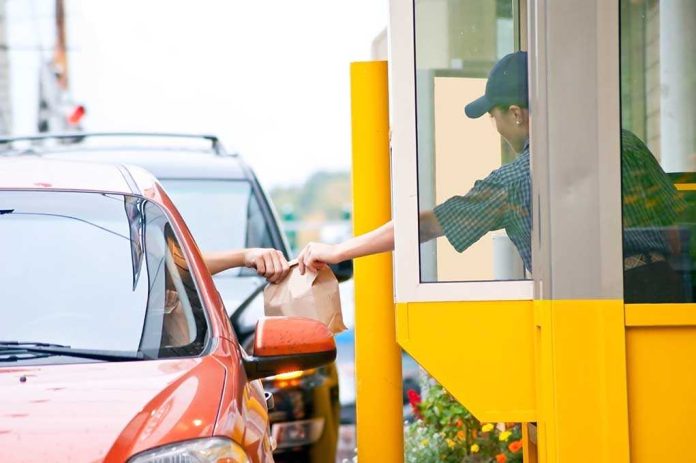
New Jersey lawmakers just voted to potentially ban plastic forks, knives, and spoons from restaurants, proving once again that government knows best how you should eat your takeout.
Story Snapshot
- Senate committee advanced plastic utensil ban 8-3, targeting restaurants and schools
- Restaurant owners and critics slam timing during holiday season amid economic pressures
- No visible plastic utensil crisis cited as justification for the sweeping ban
- Follows unpopular plastic bag ban, escalating New Jersey’s war on convenience
Another Day, Another Ban in the Garden State
The New Jersey Senate Budget and Appropriations Committee voted 8-3 to advance legislation banning single-use plastic utensils at restaurants, schools, and other food establishments. The timing couldn’t be worse for business owners already struggling with inflation, labor shortages, and the lingering effects of pandemic shutdowns. Critics are calling this latest environmental crusade tone-deaf and unnecessary, especially when no one can point to streets flooded with plastic spoons or waterways choked with discarded forks.
The bill’s supporters claim environmental benefits, but opponents question the absence of data showing a plastic utensil emergency. Restaurant owners face the prospect of switching to more expensive alternatives while customers adapt to yet another government-mandated lifestyle change. The disconnect between Trenton’s priorities and real-world concerns has never been more apparent.
Déjà Vu All Over Again
New Jersey residents have already endured the state’s plastic bag ban, which remains unpopular despite public adaptation. That precedent serves as a blueprint for this latest assault on convenience and business flexibility. The bag ban demonstrated how lawmakers can impose sweeping changes without overwhelming public support, relying instead on eventual compliance through necessity.
The utensil ban represents an escalation of single-use plastic restrictions that burden businesses without addressing any documented crisis. While environmental protection sounds noble, the practical reality involves increased costs for struggling restaurants and inconvenience for consumers who’ve grown accustomed to practical solutions for busy lifestyles.
Businesses Bear the Burden
Restaurant owners understand the economic implications better than the politicians voting on these measures. Alternative utensils cost more than plastic versions, cutting into already thin profit margins. During the holiday season, when many establishments depend on takeout and delivery orders to stay afloat, timing this debate seems particularly insensitive to business realities.
Industry critics like NJ 101.5’s Mike Brant suggest reasonable alternatives, such as state-funded reusable utensil programs or tax breaks for businesses making the switch. These solutions would achieve environmental goals while acknowledging economic challenges, but such common-sense approaches rarely gain traction when politicians prefer mandates over incentives. The three dissenting committee votes suggest some lawmakers recognize the overreach, but they remain outnumbered by colleagues eager to appear environmentally progressive.
Sources:
NJ 101.5 – Latest war on plastic forks proves why NJ is out of touch