Trump says Pete Hegseth stays, while Congress sharpens the knives.
Story Snapshot
- President Trump publicly backed Hegseth and rejected firing talk.
- Republicans and Democrats blame the Iran war for midterm losses.
- Representative Massie forced an impeachment vote over war powers.
- The Pentagon says it followed the law and will defend its actions.
What Actually Happened This Week
President Trump told reporters he is not firing Defense Secretary Pete Hegseth and said he is doing a very good job. That single line froze the rumor mill and raised the stakes. Republicans and Democrats both moved to fault the Iran war for a brutal midterm map. Several lawmakers quickly linked that anger to Hegseth’s future. The White House message stayed firm: policy stays the course, and the secretary stays put, for now.
Representative Thomas Massie escalated the fight inside the Republican Party. He introduced eight articles of impeachment and forced a vote, arguing Hegseth waged war on Iran without proper approval from Congress. His push turns a policy argument into a constitutional one. It also gives Democrats a running start in the next Congress, where they plan to grill the Pentagon on civilian harm, shortages, and spending tied to the conflict.
Why Hegseth Matters To The Iran War Debate
Trump cast Hegseth as an early hawk on Iran, praising him for backing action to stop a nuclear weapon. That framing ties Hegseth to the heart of the president’s strategy. Supporters say that proves alignment, not freelancing. Critics say it binds Hegseth to the political costs of the war. Both can be true. Alignment explains loyalty. It also makes him the face of a hard policy that voters and lawmakers now want to question out loud.
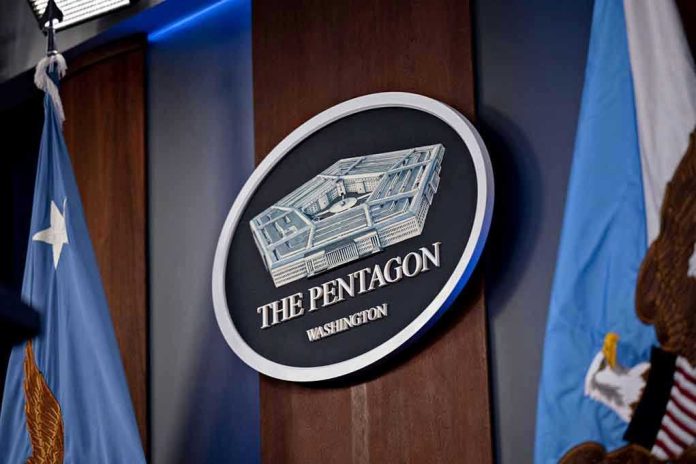
The Pentagon’s public stand is blunt. A department statement said it followed the law, and that the secretary will continue to defend the Constitution, lead the force, and protect the country. That message sets a legal and moral line in the sand. It also invites a test. If Congress claims unlawful war, the department will cite authorizations, consultations, and notifications. That is where hearings, not headlines, will decide who is right.
The Hill’s Numbers Game And The Real Risk
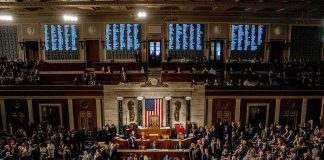
Democrats won both chambers, which gives committee chairs the tools to demand documents, call witnesses, and set hearing calendars. Several Democrats already named Hegseth as a top target, from impeachment articles to removal calls. That agenda ensures a long winter of subpoenas and stage lights. A seasoned reader has seen this movie: oversight first, staff work second, and then votes that track party math more than nuance.
Seems Trump’s Axe is heading at KEG-BREATH for midterms loss
Per Geoffrey Grok
**The post-midterm blame game has zeroed in on Defense Secretary Pete Hegseth as the most immediate target inside Trump’s circle, even as the president publicly defends him.**
Trump has refused to…
— Lorenzo Levi Brown :🐏🐑 Follow Me On BlueSky 🦋 (@LLBROWN7047) November 5, 2026
Republicans are not unified. Some want a clean break to stop the bleeding after the midterms. Reports show allies moved to assign blame for the losses to Hegseth and the Iran campaign. Others warn that firing him would not fix strategy or the facts on the ground. That split creates a trap. If Trump keeps Hegseth, the party wears the war. If he cuts him, critics call it scapegoating. Common sense says policy clarity beats personnel churn every time.
What Would Change Minds Fast
Clear data beats spin. If the administration can show legal footing for each strike, a pattern of consultation with Congress, and measurable military gains, it will pull oxygen from impeachment talk. If not, hearings will shape the public record. A simple path exists: publish the legal memos, release redacted battle damage and readiness reports, and put commanders under oath. If the facts are strong, transparency helps. If they are thin, politics fills the gap.
Hegseth’s own posture matters. Reports say he plans to stay and defend Pentagon decisions in hearings. That stance projects resolve, which many conservatives respect. It also invites crossfire. The strongest ground for him is simple: show that key calls were presidential decisions, executed lawfully and competently, with results that protect Americans. That story aligns with the Constitution’s chain of command and with the public’s sense of fair accountability.
The Most Likely Near-Term Path
Trump’s backing suggests no sudden dismissal. History shows presidents often protect senior aides after policy shocks, then ride out oversight. Expect aggressive hearings, selective declassifications, and sharper messaging from both sides. Expect more noise about impeachment, with actual votes driven by House math. The durable question will outlast the drama: did the war meet legal tests and strategic goals? If the answer is yes on paper and in results, Hegseth survives.
The smart play for the White House is to get ahead of Congress. Release what you can, faster than expected. Narrow claims to what can be proved. Admit what did not go to plan. Show where the mission achieved tangible gains. Voters reward straight talk and clear aims. Congress respects a solid record more than a defiant tweet. If the administration builds that record now, the chopping block becomes a podium instead.
Sources:
facebook.com, massie.house.gov, upi.com, washingtonexaminer.com, abcnews.com, newsweek.com, axios.com, nbcpalmsprings.com