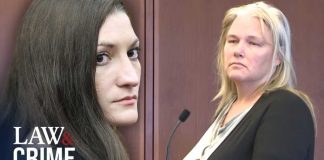
A grieving father now sits feet from the woman accused of killing their children, asking jurors to decide if this was cold murder or a mind broken past the point of control.
Story Snapshot
- Patrick Clancy describes months of his ex-wife’s mental decline before the children’s deaths.
- Prosecutors say Lindsay Clancy carefully timed and carried out the killings while he stepped out.
- The defense says psychosis and a commanding “voice” stole her ability to know right from wrong.
- Jurors must decide not what happened, but whether she was criminally responsible when it did.
The father’s return to the stand and why it matters
Patrick Clancy walked back into Plymouth Superior Court knowing every word he spoke would shape how jurors see the woman he once loved. He found his three children dead in their Duxbury home in January 2023. Now he is the star witness as the state tries to prove Lindsay Clancy murdered them on purpose. His testimony does more than recount a timeline. It supplies the “common sense” lens many jurors use in a case that turns on intent, responsibility, and the limits of mercy.
Prosecutors leaned hard on Patrick’s account of the day of the killings and the weeks before. They walked jurors through family photos and videos showing a seemingly normal mother playing at a water park and in the snow with her kids. They highlighted his description of that final afternoon as “one of her best days,” when Lindsay appeared calm, organized, and affectionate, right before he left to pick up dinner and medicine. The state wants the jury to hear a clear message: she could function, plan, and act with purpose.
The picture of a mother in crisis
Patrick’s testimony also paints a stark picture of deep mental distress, which the defense needs jurors to take seriously. He described how her anxiety grew after each child, how she went days without sleep, and how her mood darkened despite multiple medications and providers. He told the jury she was hospitalized in late 2022, then again around New Year’s Day, after she sought emergency psychiatric help. He said she lost weight, grew more depressed, and cycled through new doctors and pills as they tried to find anything that worked.
A month before the killings, Patrick said Lindsay began talking about suicidal thoughts and “intrusive thoughts” of harming the children. She admitted disturbing images but insisted she did not have a plan and did not want to hurt them. He asked if she needed to be kept away from the kids. She said no. Moments later, she would make lunch, play with them, or tuck them into bed. That strange mix of dark thoughts and normal mothering sits at the heart of this trial. The defense calls it proof of psychosis. Prosecutors call it proof she knew wrong from right and chose anyway.
The prosecution’s narrative of deliberate killing
The Commonwealth’s opening statement framed the events as a precise, brutal sequence. They say Lindsay waited until Patrick left the house, then strangled Dawson, Cora, and baby Callan in turn using exercise bands in the basement. After killing the children, they argue, she cut her wrists and neck and jumped from a second-story window in a suicide attempt. They stress the tight timing: Patrick leaves around 5:15 p.m., returns minutes later, finds her injured outside, and then discovers the children inside.
To a prosecutor, those minutes matter. If she acted in that short window, arranged the scene, and then attempted suicide, the state can argue she understood her actions, anticipated discovery, and tried to escape the consequences the only way she saw left. From an American conservative, law-and-order perspective, this narrative fits a familiar frame: personal responsibility does not disappear because life feels overwhelming. The state’s job is to show jurors a mother who, despite mental strain, still chose a path of extreme harm.
The defense’s claim of a mind overrun by psychosis
The defense counters with a very different lens. In a civil lawsuit against her healthcare providers, Lindsay herself described hearing a voice that ordered her to kill her children and then herself. She said she “lost all control” and that her body acted without her will, that she was simply obeying commands. That is not just a label; it is a detailed claim of a psychotic break. Her lawyers argue she was suffering from postpartum psychosis and severe depression so intense that she could not appreciate the wrongfulness of what she was doing.
🚨 JURY TO VISIT FORMER CLANCY HOME FRIDAY
The jury in the Lindsay Clancy trial is scheduled to leave the courthouse on Friday for a jury view of the former Clancy family home.
According to the court, jurors will be transported to the residence, where they will be allowed to…
— Voices and Evidence (@VoicesEvidence) July 29, 2026
Massachusetts law tells jurors they must judge criminal responsibility, not just conduct. A person is not criminally responsible if a mental disease or defect substantially impairs her ability to understand her actions are wrong or to follow the law. Legal experts following the trial say this is the real battlefield, not whether Lindsay killed the children. She has already tried to split the case into two parts—one to decide if she killed them, one to decide if she is criminally responsible—but the judge refused, insisting guilt and responsibility must be weighed together.
Where common sense and compassion collide
For many viewers, especially conservatives who value both family and accountability, this case hits a nerve. On one hand, the idea that a mother could coldly plan the deaths of three children is almost unbearable. On the other, blaming “mental health” can sound like erasing agency and inviting chaos. The evidence so far supports both sides enough to keep the jury in tension: clear signs of psychiatric crisis and clear signs of structured, lethal action.
Patrick Clancy’s role makes that clash even sharper. He testified that, despite her disturbing thoughts, he did not fear she would harm the children because she showed no intention and kept caring for them. Yet he is also the man who dialed 911 and walked into a basement where those kids lay lifeless. His pain is obvious. But jurors are asked to rise above emotion and apply the law: was Lindsay a wicked actor who chose horror, or a mentally broken woman who never truly had that choice? Their answer will echo far beyond one devastated family.
Sources:
youtube.com, cnn.com, abc7chicago.com, facebook.com, wbur.org, nbcboston.com, cbsnews.com, boston25news.com