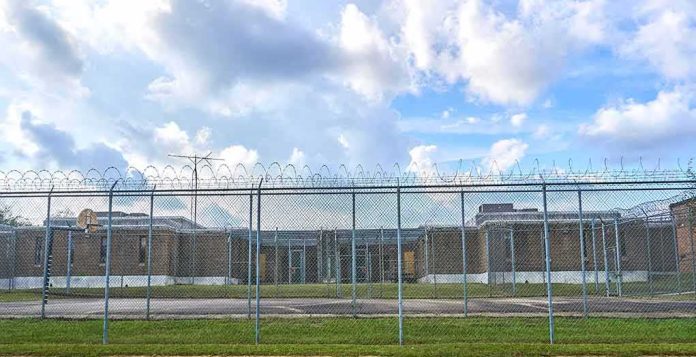
The government’s own watchdog says people were locked in metal cages the size of a closet and called it “calming.”
Story Snapshot
- The Department of Homeland Security watchdog documented 79 people held in small metal enclosures at “Alligator Alcatraz.”
- Staff labeled the outdoor cages “calming areas,” but the watchdog called the practice unprecedented and risky.
- Measurements put each enclosure at about 18 square feet—roughly four feet by four feet.
- The report flagged wider failures in safety, medical care, hygiene, and recreation at the site.
What Inspectors Found On The Ground
The Department of Homeland Security Office of Inspector General reported that at least 79 detainees were placed in small metal cages at the Everglades detention site, nicknamed “Alligator Alcatraz,” for periods ranging from minutes to nearly two hours. Inspectors described two enclosures in outdoor recreation areas, roughly four feet three inches by four feet three inches and just under eight feet tall. The report called this practice unlike anything seen in immigration detention inspections and warned of clear health and safety risks.
The watchdog said each space was about 18 square feet. That is smaller than most home closets and far tighter than any normal holding cell. Inspectors said the use of these cages “for any reason” was unprecedented among facilities they have reviewed. The report also found broader failures across basic standards, including environmental health, medical care, food service, and personal hygiene. That pattern matters. When the basics slide, edge-case practices like “calming cages” tend to grow unchecked.
How The Facility Tried To Explain The Cages
Facility staff told reporters and inspectors the cages were “calming areas” used to de-escalate tense situations. Staff also claimed some detainees asked to enter them. The label may sound clinical, but the inspector general’s language did not back the practice. The report flagged real safety concerns and said the method did not line up with humane-treatment standards for detention. That gap between branding and reality is the core problem the watchdog put on record.
Officials at the Department of Homeland Security previously pushed back on broader abuse claims at the site and said the facility met detention rules. They rejected talk of solitary confinement and cast some reports as hoaxes. That defense, however, came before the inspector general’s detailed account reached the public. When a government watchdog lays out measurements, photos, and a tally of 79 placements, denial does not settle the issue for anyone who values transparency and standards.
Why “Unprecedented” Matters For Policy And Common Sense
Immigration detention has a long record of temporary sites that drift from norms. Operators say speed and security demand flexibility. Critics see corners cut and rights put at risk. The “calming areas” fit that pattern. The inspector general called the practice “highly unconventional” and out of step with humane treatment. That should trigger a clear test: if a method cannot meet written standards and basic decency, it does not belong in any government-run or government-funded facility, period.
Conservative common sense sets a high bar for state power over the body. Government can detain, but it must do so with clear rules, minimal force, and clean logs. Outdoor metal cages the size of a phone booth fail that test on sight. If someone poses a serious threat, staff need trained de-escalation, medical review, and, when necessary, standard secure rooms built for safety, not makeshift pens. Anything less invites abuse, lawsuits, and more chaos—paid for by taxpayers.
The Next Questions That Decide Accountability
Key records can close the gap between claims and facts. Shift logs, placement forms, and incident reports would show who ordered each confinement, for what reason, and for how long. Medical and environmental data would show heat, hydration, and any injuries. Procurement files would reveal the design intent for these structures. Those documents exist. Releasing them would turn a disturbing snapshot into a full record that either justifies a rare tool or confirms a practice that should never return.
"ALLIGATOR ALCATRAZ" REPORT: DETAINEES HELD IN METAL CAGES LABELED "CALMING AREAS"
THE WATCHDOG FINDING
The Department of Homeland Security inspector general released a 34-page report on September 14, 2026, detailing conditions at Florida's makeshift immigrant detention center,… https://t.co/wcoIeuaVZ4
— THE WORLD CORRESPONDENT (@TheWorldCorresp) September 14, 2026
Earlier human rights reporting had flagged cage-like areas at the site. That work foreshadowed the inspector general’s findings, but the watchdog’s role is distinct. The inspector general is the internal auditor charged by law to check compliance. When that auditor says a practice is unprecedented and risky, leaders should treat it as an action item, not a talking point. The fix is simple: ban the cages, retrain staff, and write bright-line rules that end the gray zones that allowed this in the first place.
Sources:
washingtontimes.com, cnn.com, nbcnews.com, washingtonpost.com, nytimes.com, news.ssbcrack.com