
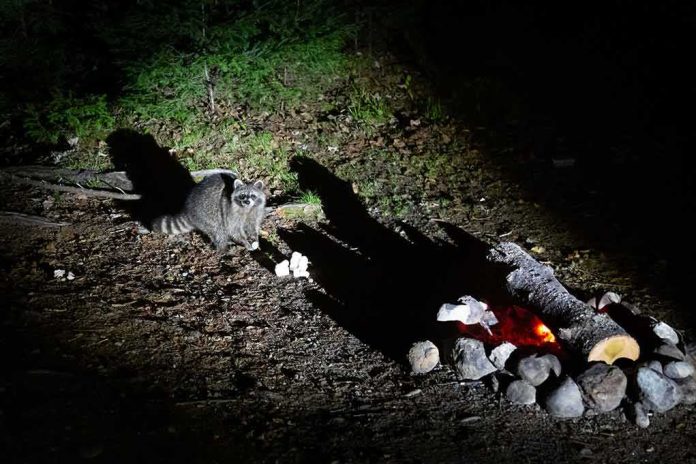
A raccoon’s liquor-store bender turned into a $290,000 lifeline for shelter animals.
Story Snapshot
- Hanover County turned a viral raccoon fiasco into a record fundraiser.
- Sales of “Trashed Panda” merch topped $290,000, dwarfing usual donations.
- Bonfire’s campaign page lists the shelter as the beneficiary and shows 20,000+ items sold.
- Fast, digital giving shows power and limits of viral charity waves.
From a boozy bathroom nap to a fundraising windfall
Hanover County Animal Protection and Shelter faced a common bind: steady need, thin budgets. Then a masked bandit crashed an Ashland liquor store, sampled bottles, and passed out beside a toilet. The image lit up the internet. The shelter moved fast, branding the moment “Trashed Panda.” Shirts, hoodies, mugs, and stickers sold by the thousands. Reported proceeds surged past $290,000, a leap over the shelter’s typical annual donations under $20,000, according to the county’s animal protection chief.
Platform choice mattered. The shelter partnered with Bonfire, which builds and ships on-demand. That kept overhead light and momentum high. Bonfire’s public page names Hanover County Animal Protection and Shelter as the seller and says proceeds support care and enrichment. It also displays sales crossing 20,000 items, a clear sign this was not a one-week fluke but a campaign that held attention well past the first laugh.
What the money means for real animals and real work
Animal services is hands-on, often thankless work. The local station reported the early haul would cover more than half the cost of new field tools, the kind that help officers document cases and serve both people and pets better. People magazine chronicled the broader arc: a goofy mishap that became a mascot and paid for care the public rarely sees—food, medical holds, behavioral enrichment, even basics like bedding and crates. This is the practical upside of humor meeting hustle.
Comparisons show the scale. Early coverage tracked six-figure sales within days. Washingtonian put it over $170,000 in 72 hours. Later tallies landed near or above $290,000 across the year as media interest cycled back. Another outlet cited more than $296,000. Those snapshots come from interviews with the shelter’s leadership and reflect cumulative merchandise revenue reported over time. Even using the low points, the jump over normal giving is not subtle—it is tidal.
Viral power, short shelf life, and smart follow-through
Viral giving burns bright, then fades. Research on “viral altruism” shows attention does not always equal action, and the spark can be brief. This campaign bucked that pattern by tying a simple, repeatable purchase to a clear local cause. Social boosts and news hits helped, but the product design and fast fulfillment did the heavy lifting. Academic work finds that broadcasting donations can nudge giving, but durable support needs more than likes.
The drunk raccoon who passed out in a Virginia liquor store last year has helped raise more than $250,000 for a local animal shelter through merchandise inspired by his viral fame. pic.twitter.com/tbTRbNkjdV
— CBS Evening News with Tony Dokoupil (@CBSEveningNews) November 13, 2026
Conservative common sense says use windfalls to build strength, not new habits that need fresh windfalls. Shelter finance research suggests a mix of revenue sources links to better live-release outcomes, more than raw totals alone. The lesson is simple: keep the lights on with steady streams, then aim viral peaks at one-time upgrades—equipment, vet capacity, or a reserve for crisis intakes. That turns a meme into muscle.
How the shelter kept trust while riding the joke
Trust drives every dollar once the headline fades. Clear labeling on the Bonfire page told buyers who ran the shop and where proceeds went. Local coverage traced purchases to concrete tools and services, which closes the loop for donors who want proof, not platitudes. Studies warn that sudden surges without clarity can sour supporters. The shelter’s plain-language framing—care and enrichment—kept the promise small and real, which is how you keep faith when the rush slows.
The blueprint others can steal without the raccoon
Start with a true, relatable story. Move fast with off-the-shelf tools that handle printing, payments, and shipping. Keep the art simple enough to wear and gift. Name the beneficiary on the sales page. Map dollars to visible wins within weeks, not months. Then stack steady channels—adoptions, small-monthly gifts, modest local sponsors—so one wild night funds the future, not the overhead. That is how you turn a bathroom nap into a better shelter for years to come.
Sources:
nypost.com, independent.co.uk, mlive.com, people.com, zetik.com, foxnews.com, washingtonian.com, clarionledger.com, e3s-conferences.org, sociologicalscience.com, utoronto.ca